




What helps relax the heart?
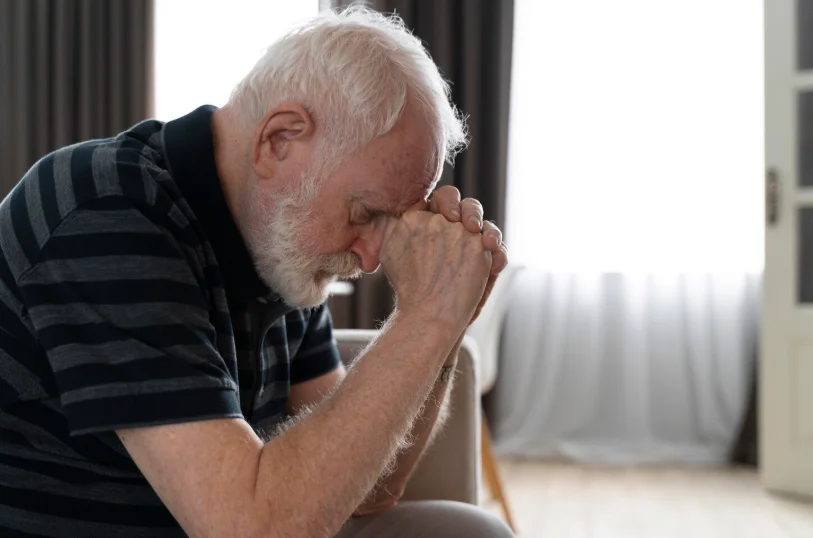
“Relaxing the heart” usually means reducing heart rate spikes, stress hormones, and vascular load through practical habits. One of the most effective tools is controlled breathing—slow, deep breathing can support a calmer rhythm and reduce sympathetic overdrive. Light to moderate walking helps discharge accumulated stress and can improve blood pressure dynamics over time. Limiting excessive caffeine, avoiding nicotine, and restoring sleep quality are also high-impact. Heavy, salty, high-fat meals may trigger palpitations in some people; choosing lighter, balanced meals often helps. Social connection, predictable routines, and managing constant news or screen exposure can reduce chronic stress signaling that affects the cardiovascular system. If palpitations are intense, recurrent, or accompanied by chest pain, dizziness, or shortness of breath, self-calming strategies should not replace medical evaluation. Safety comes first, then optimization.