





Visiting Researcher&Lecturer - University College London, Mechanical Engineering and Faculty of Medicine, UK
Visiting Lecturer - University of Aveiro, Faculty of Biomedical Engineering, Portugal

Why is heart health directly related to nutrition?
The cardiovascular system is directly exposed to
the body’s metabolic load. Blood lipids, glucose, inflammatory molecules, and
oxidative stress products come into direct contact with the vessel wall. Poor
dietary habits trigger risk factors such as elevated LDL cholesterol, insulin
resistance, obesity, and hypertension. Over time, these factors lead to
atherosclerosis.
Scientific studies show that societies consuming
diets high in saturated fats, trans fats, and refined sugars experience
significantly higher rates of heart attacks and strokes. In contrast,
populations consuming diets rich in vegetables, fruits, whole grains, fish, and
olive oil demonstrate lower rates of cardiovascular disease.
Nutrition affects blood pressure, cholesterol
levels, vascular inflammation, and clotting tendency, making it one of the most
fundamental determinants of heart health. Therefore, modern cardiology
guidelines regard nutritional intervention as a cornerstone of treatment,
equally important as pharmacological therapy.
Which dietary model is considered heart-friendly?
The dietary pattern with the strongest scientific
evidence for cardiovascular protection is the Mediterranean diet. This
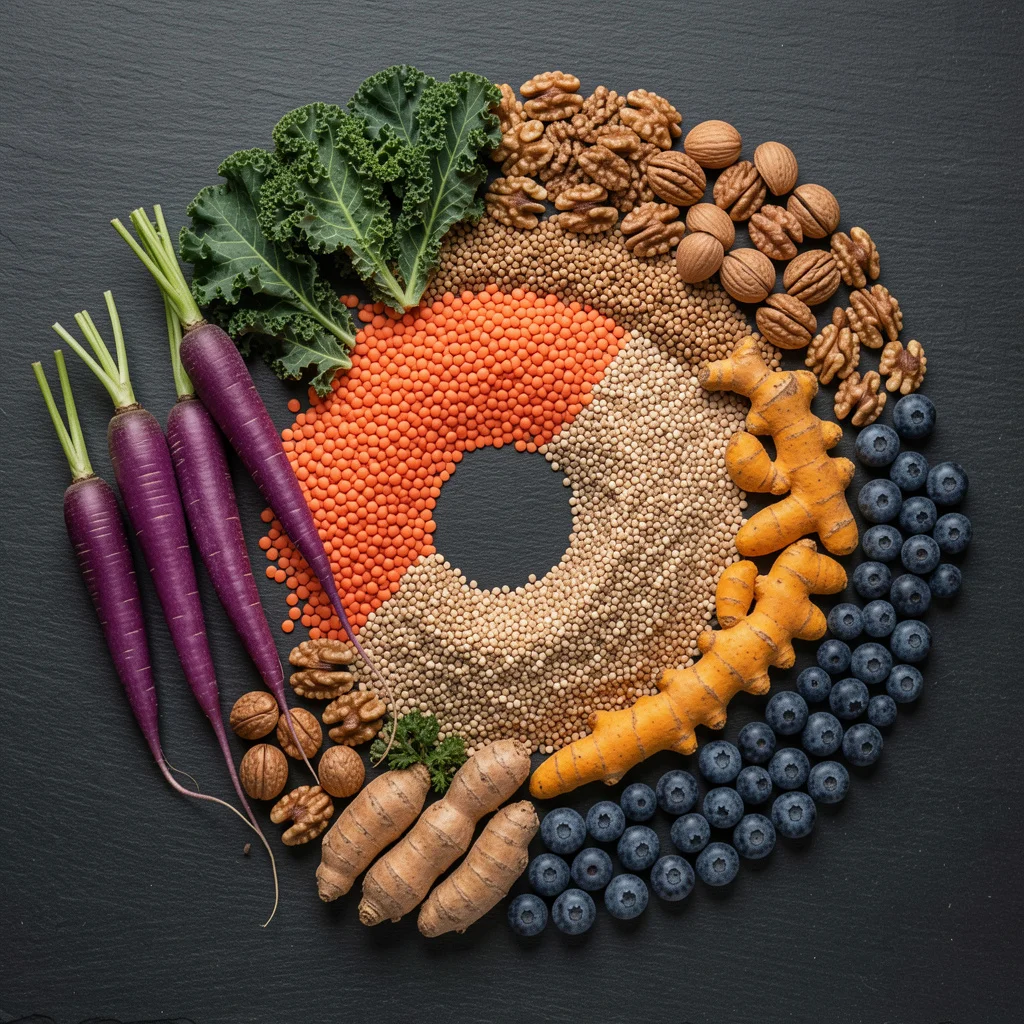
model is based on vegetables, fruits, legumes, whole grains, olive oil, fish,
and nuts, while limiting red meat and processed foods.
The benefits of the Mediterranean diet extend
beyond cholesterol reduction. It decreases vascular inflammation, reduces
oxidative stress, and improves endothelial function. Large cohort studies have
shown that individuals with high adherence to this diet have significantly
lower risks of heart attack and sudden cardiac death.
The DASH diet is also effective, particularly for
hypertension-related cardiovascular risk. Current approaches recommend a vegetable-rich,
fiber-focused, healthy-fat–based dietary pattern as the most sustainable
strategy for long-term heart health.
How do saturated and trans fats affect the heart?
Saturated fats (butter, processed meats, full-fat
dairy) and trans fats (margarines, packaged snacks) raise LDL cholesterol levels
and accelerate plaque formation in the arteries. LDL cholesterol deposits in
the vessel wall initiate inflammation and gradually form atherosclerotic
plaques.
Trans fats are especially harmful because they
both increase LDL and decrease HDL cholesterol. This dual effect markedly
elevates the risk of heart attack. The World Health Organization recommends the
complete elimination of trans fats from the diet.
For heart health, the goal is to minimize
saturated fats and replace them with monounsaturated fats (olive oil) and
polyunsaturated fats (omega-3 fatty acids). Even this single change can
significantly reduce cardiovascular risk.
Why are omega-3 fatty acids important for the heart?
Omega-3 fatty acids (EPA and DHA), primarily
found in fish, are polyunsaturated fats with powerful cardioprotective effects.
They lower triglyceride levels, reduce vascular inflammation, and regulate
blood clotting mechanisms.
Scientific studies show that individuals
consuming at least two servings of fatty fish per week have a lower risk of
sudden cardiac death. Omega-3s also help stabilize heart rhythm.
Plant-based omega-3 (ALA), found in walnuts,
flaxseed, and chia seeds, is beneficial, but its conversion to EPA and DHA is
limited. Therefore, fish consumption or physician-guided supplementation may be
necessary.
Should cholesterol be eliminated completely?
Cholesterol is essential for the body; it is a
structural component of cell membranes and is involved in hormone synthesis.
The issue is not cholesterol itself, but its balance. High LDL and low
HDL cholesterol increase cardiovascular risk.
Dietary changes can effectively reduce LDL
cholesterol. Fiber-rich diets, plant sterols, omega-3 fatty acids, and reduced
saturated fat intake lower LDL while supporting HDL levels.
Thus, the goal is not a “cholesterol-free diet”
but maintaining healthy cholesterol balance.
How do sugar and refined carbohydrates affect heart health?
Refined sugars and white flour cause rapid spikes
in blood glucose, increasing insulin resistance and eventually leading to
metabolic syndrome. Metabolic syndrome is a major precursor to cardiovascular
disease.
How does dietary fiber protect the heart?
Dietary fiber reduces intestinal cholesterol
absorption. Soluble fibers (oats, legumes) are particularly effective in
lowering LDL cholesterol. Fiber also positively influences gut microbiota,
thereby reducing systemic inflammation.
Fiber-rich diets support weight control, improve
blood pressure regulation, and reduce the risk of heart attack.
How does salt intake affect heart health?
Salt intake has a direct and significant impact
on heart health. High sodium consumption leads to fluid retention in the body,
increasing blood pressure and forcing the heart muscle to work harder. Over
time, this excessive workload can contribute to thickening of the heart walls,
arterial stiffness, and a higher risk of heart failure. Elevated sodium intake
is also closely linked to stroke and kidney disease. For individuals with
hypertension, salt restriction is of vital importance. Protecting heart health
requires not only avoiding added table salt but also limiting hidden sodium
found in processed and packaged foods.
Is plant-based nutrition advantageous for heart health?
Why is weight control critical for heart health?
Is alcohol beneficial or harmful for the heart?
Can coffee be consumed for heart health?
What does a heart-healthy day of eating look like?
A heart-friendly day of eating should be balanced, diverse,
and based on whole foods. Breakfast may include a vegetable-focused plate
supported by whole grains and healthy fats. Lunch should maintain a balance of
protein, fiber, and complex carbohydrates. Dinner ideally includes
heart-friendly protein sources such as fish or legumes. Snacks consisting of
fruit and raw nuts are appropriate choices. Sodium, added sugars, and processed
foods should be limited, while adequate hydration should be maintained. This
structure provides a sustainable model for supporting heart health.
How can heart health be protected when eating out?
What does heart health teach us?
Visiting Researcher&Lecturer - University College London, Mechanical Engineering and Faculty of Medicine, UK
Visiting Lecturer - University of Aveiro, Faculty of Biomedical Engineering, Portugal
- World Health Organization (WHO). Diet, Nutrition and Cardiovascular
Diseases
- PubMed. Dietary patterns and cardiovascular risk (systematic reviews)
- The Lancet. Global burden of cardiovascular disease
- Elsevier – Nutrition, Metabolism & Cardiovascular Diseases
- Wiley Online Library – Heart-healthy dietary fats
- Springer Nature – Mediterranean diet and cardiovascular prevention