




What helps with stress felt in the heart?
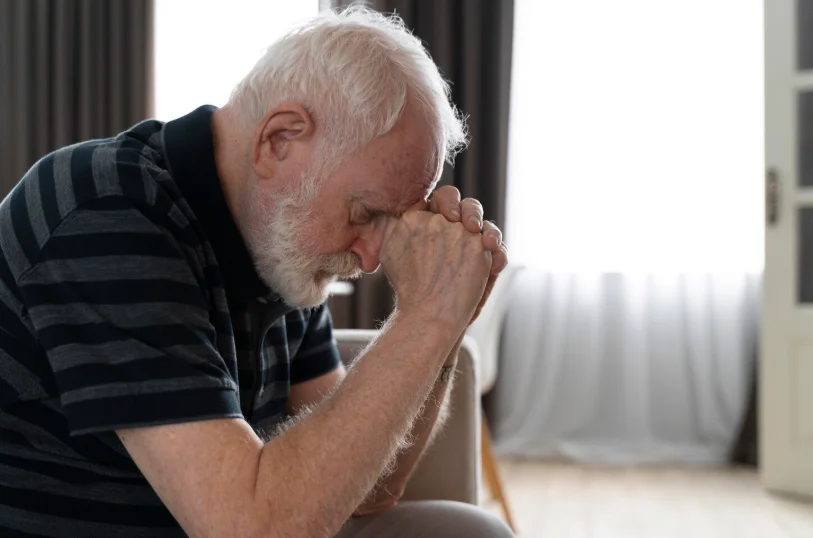
The phrase “stress in the heart” is often used to describe anxiety-driven palpitations, chest tightness sensations, or blood pressure fluctuations. First, safety: if symptoms are new, severe, or accompanied by chest pain or shortness of breath, medical evaluation is essential. For day-to-day management, the most effective levers include consistent sleep, limiting caffeine, avoiding nicotine, and practicing controlled breathing. Even 10–15 minutes of light walking can rebalance the nervous system and reduce perceived stress. Nutritionally, reducing heavy and very salty meals while increasing hydration and fiber-rich foods can improve stability. Building predictable routines, leaning on social support, and managing workload reduces the size of the stressor itself. Long term, mindfulness, structured stress-reduction programs, and when needed professional therapy can materially reduce the cardiovascular impact of chronic stress. Think systems, not hacks.