



What should we do to protect eye health?
EYE HEALTH, EVIDENCE-BASED Q&A GUIDE
“The eye is not only a ‘vision’ organ; it is a finely tuned biological system shaped by sleep, screens, nutrition, and circulation.”
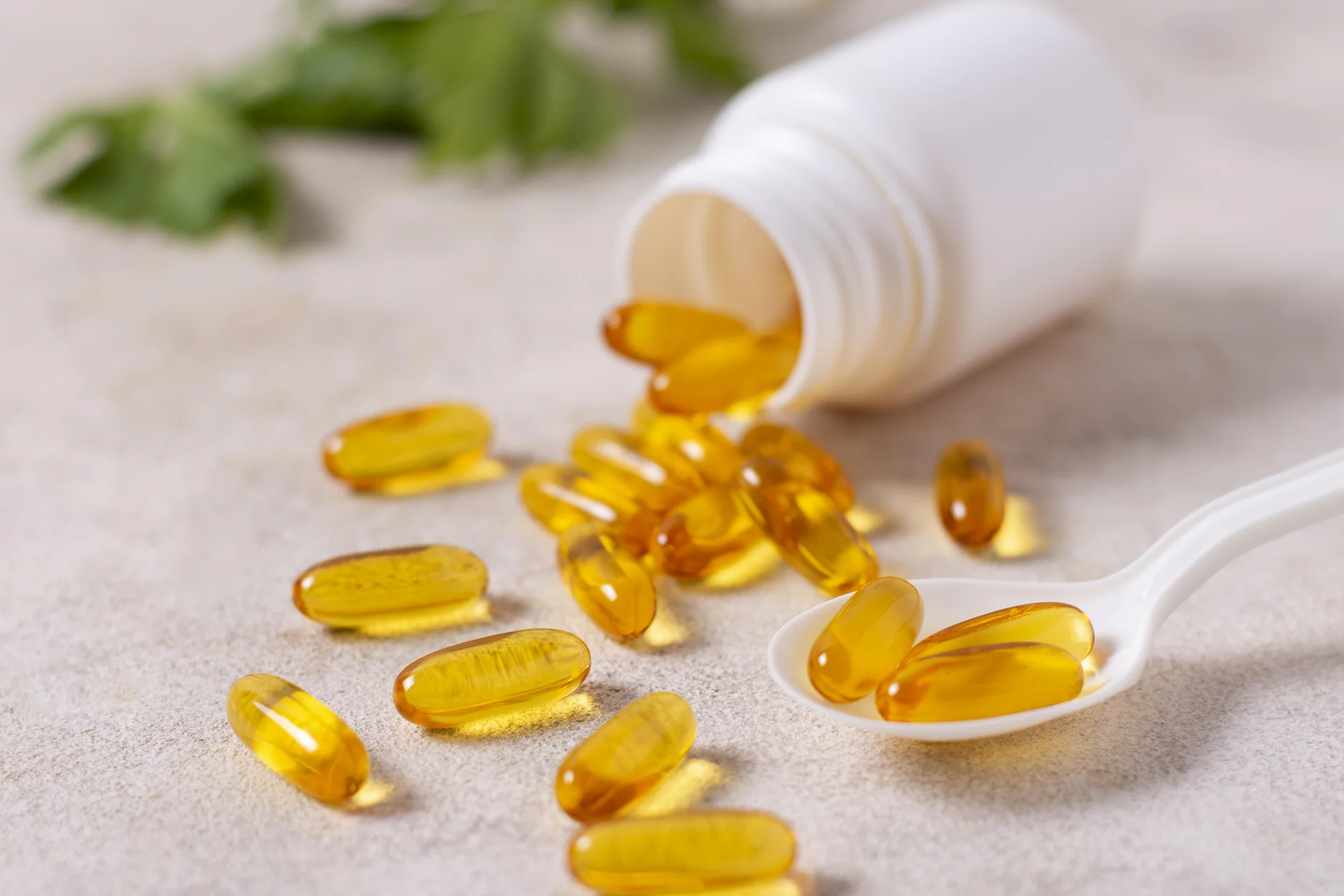
Protecting eye health is less about a single miracle product and more about building a risk-reducing routine. Layer 1: screen and near-work hygiene. Prolonged near focus can reduce blink rate, worsening dryness; scheduled breaks, reducing glare, positioning the screen slightly below eye level, and improving ambient humidity help reduce load. Layer 2: dry-eye and eyelid-margin care. Dry eye can reflect tear-film homeostasis loss with an inflammatory vicious cycle; the right artificial tear strategy, lid hygiene, and environmental adjustments form a practical care bundle. Layer 3: nutrition and vascular health. Leafy greens (lutein/zeaxanthin), omega-3 sources, adequate protein, and key micronutrients (notably vitamins A/C/E and zinc; in selected groups the AREDS2 formula) may support retinal resilience and oxidative-stress management. Layer 4: protective behaviors. Smoking, excessive UV exposure, poor sleep, and uncontrolled diabetes/hypertension can directly harm retinal and ocular vessels. Final layer: routine eye exams. Early detection matters because conditions like glaucoma or diabetic retinopathy may progress silently; prevention is far more effective than trying to reverse vision loss. Seek urgent care for red flags such as sudden vision loss, severe pain, flashes/“curtain” symptoms, trauma, or chemical exposure.