





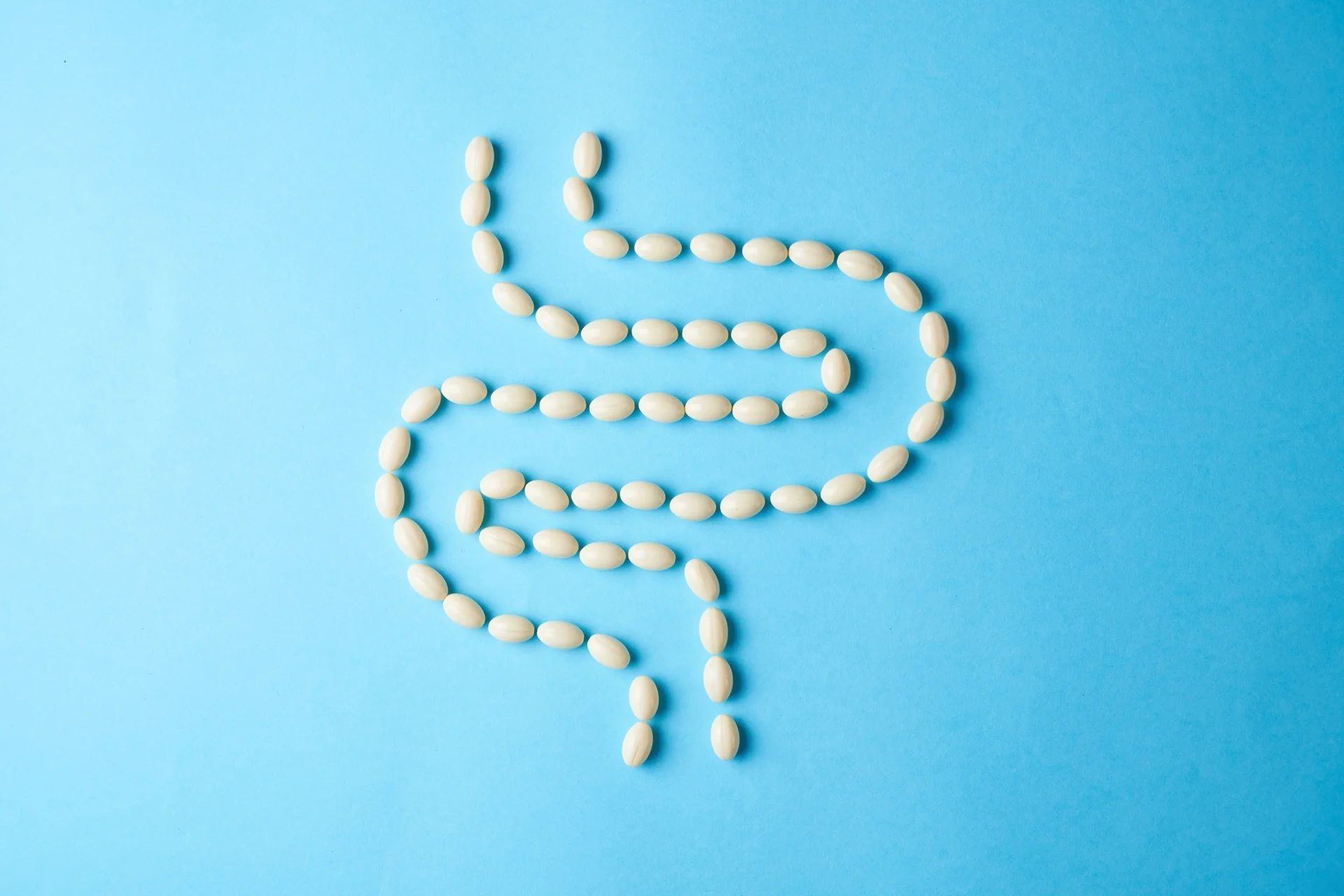
What should you do for healthy intestines?
GUT HEALTH: A SCIENCE-BASED, PLAIN-LANGUAGE Q&A GUIDE
“The gut is not just digestion; it is a strategic hub for immunity, energy, and mental well-being.”
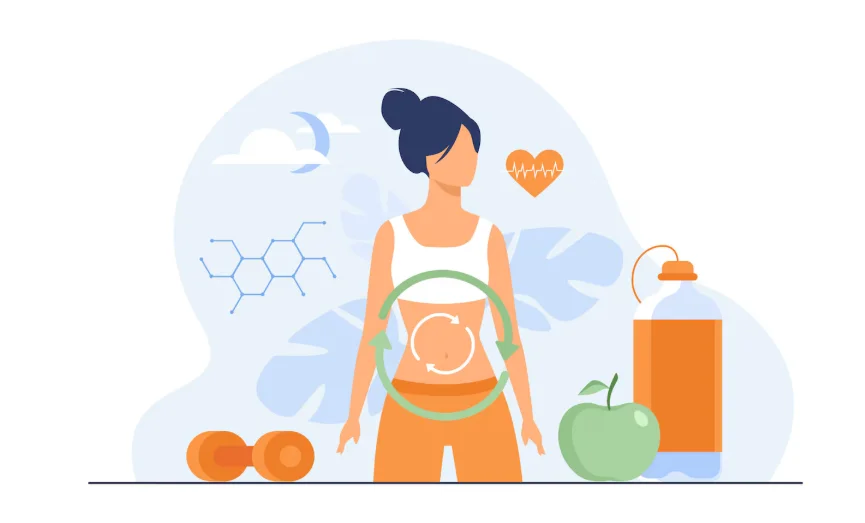
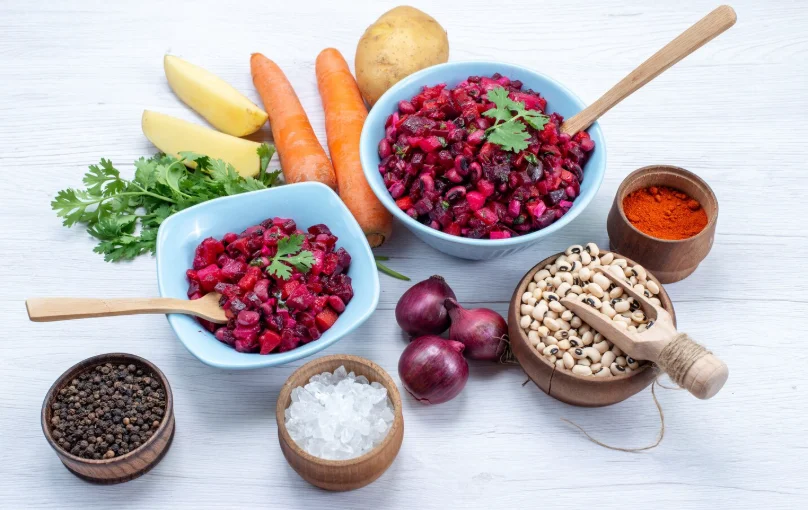
Gut health is built on five pillars: (1) diverse fiber intake, (2) adequate hydration, (3) regular movement, (4) sleep and stress control, and (5) reducing unnecessary antibiotics and ultra-processed foods. Dietary fibers (vegetables, legumes, whole grains, fruits, nuts) are fermented in the colon and increase short-chain fatty acids, which help support the gut barrier and modulate inflammation. If hydration is low, fiber cannot do its job well—aim for steady fluid intake throughout the day. Even 20–30 minutes of walking daily can stimulate peristalsis and improve regularity. Poor sleep and chronic stress can worsen bloating and bowel irregularity via the gut–brain axis. Instead of searching for a single “miracle food,” add fermented foods (yogurt, kefir, properly prepared fermented vegetables) plus prebiotic sources (onion, garlic, leeks, oats) in tolerated amounts. If symptoms persist or you have red flags (bleeding, unexplained weight loss, severe pain, or bowel changes lasting weeks), seek medical assessment.