




What should you eat for mineral deficiency?
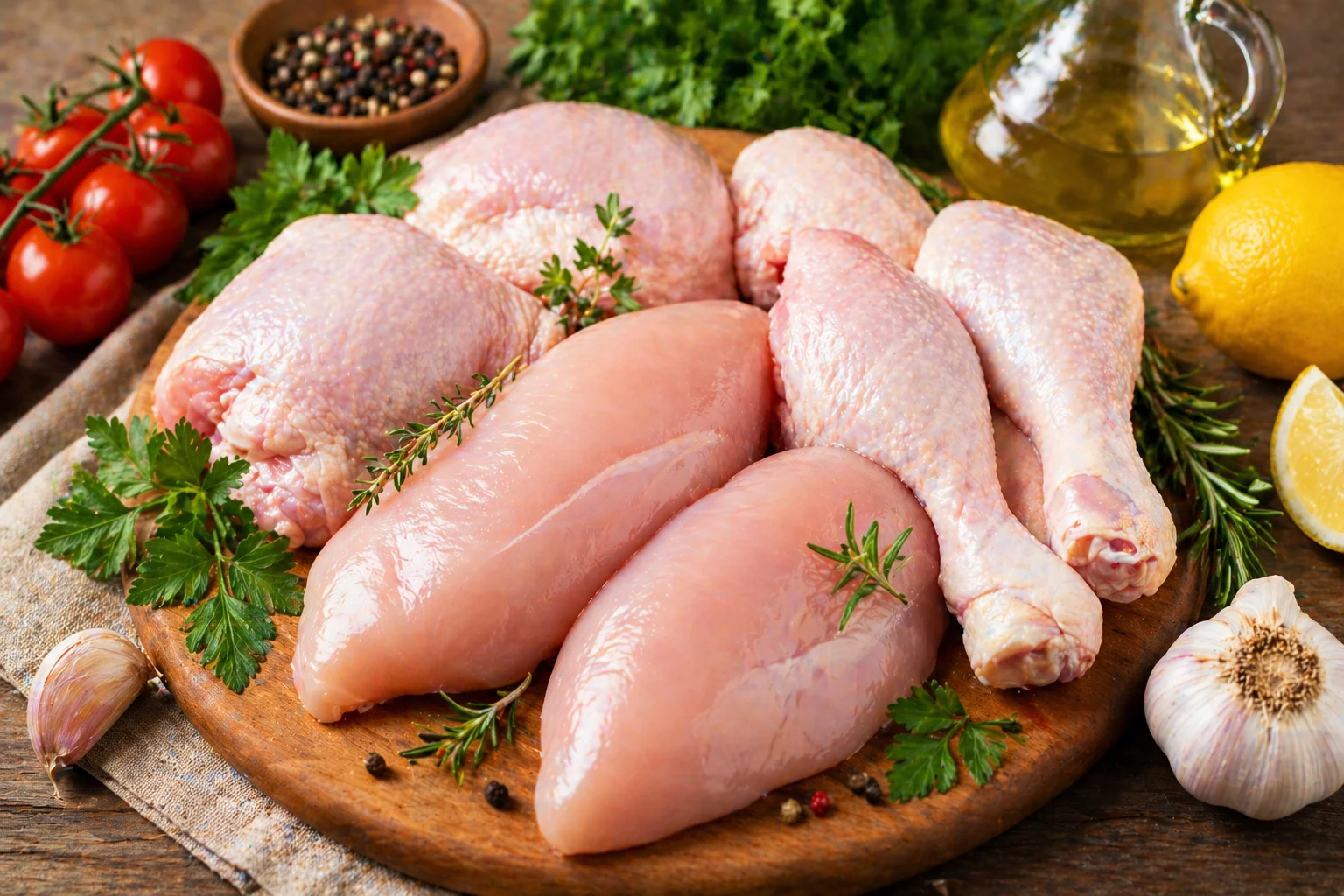
When mineral deficiency is suspected, the safest dietary strategy is “diversity + nutrient density.” Build meals around: (1) legumes and whole grains (lentils, chickpeas, beans) that provide magnesium, iron, zinc, and potassium; (2) colorful fruits and vegetables—especially dark leafy greens—for potassium and magnesium; and (3) mineral-rich protein sources such as eggs, fish, red meat (iron), dairy (calcium/phosphorus), and nuts/seeds (magnesium/zinc). For iodine, use iodized salt in moderation; for selenium, small amounts of Brazil nuts or seafood can help. Pairing iron-rich foods with vitamin C improves absorption, while tea/coffee right after meals may reduce it. However, diet alone may not correct a clinically significant deficiency, particularly if absorption problems exist (e.g., celiac disease, inflammatory bowel disease, post-bariatric surgery) or if certain medications affect levels. Testing-guided plans are preferable to blind supplementation.\n\nSource note: NIH ODS fact sheets on iron, zinc, and magnesium (food sources, absorption, interactions).