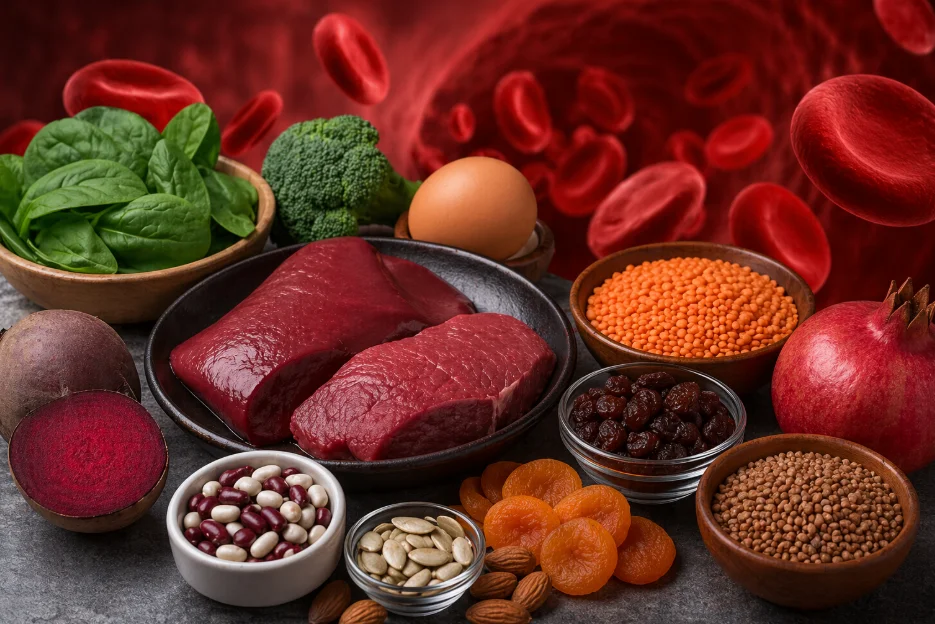






What Is Healthy Eating and Why Is It Important?
Healthy eating means providing the body with all essential nutrients in a balanced way. It is not only about weight control but also about immune function, hormonal balance, and mental performance.
A balanced diet includes proper proportions of proteins, carbohydrates, and healthy fats. Vitamins, minerals, and antioxidants are also essential for cellular health.
Healthy eating habits play a crucial role in preventing chronic diseases such as heart disease, diabetes, and obesity.
How to Build a Balanced Plate?
The balanced plate model is one of the simplest ways to maintain a healthy diet. It includes vegetables, proteins, whole grains, and healthy fats.
Vegetables should make up half of the plate. Proteins support muscle health and satiety, while whole grains provide sustained energy.
This approach is practical and sustainable for long-term healthy eating habits.
Why Is Protein Intake Important?
Proteins are essential for muscle growth and repair. They also play a key role in hormone and enzyme production.
Insufficient protein intake may lead to muscle loss and weakened immunity.
Daily protein needs vary depending on age, gender, and activity level.
What You Need to Know About Healthy Fats
Healthy fats are essential for brain function and hormone production.
Sources include olive oil, avocado, and nuts, while trans fats should be avoided.
Proper fat intake supports heart health.
Why Is Carbohydrate Choice Important?
Carbohydrates are the body’s main energy source, but refined carbs can cause blood sugar spikes.
Whole grains and fiber-rich carbs are healthier choices.
Proper selection supports metabolic health.
Water Intake and Metabolism
Water is essential for all biochemical processes in the body.
Proper hydration supports metabolism and energy levels.
It also improves digestion.
How to Reduce Sugar Intake?
Excess sugar intake increases the risk of obesity and diabetes.
Natural sources should be preferred over processed foods.
Reducing sugar improves energy balance.
Importance of Fiber-Rich Foods
Fiber supports digestive health and regulates bowel movements.
It also stabilizes blood sugar and promotes satiety.
Fruits, vegetables, and whole grains are rich in fiber.
Meal Timing and Metabolism
Regular meals help maintain metabolic balance.
Skipping meals may lead to energy drops.
Consistent eating patterns support weight control.
How to Build Sustainable Eating Habits?
Healthy eating should be a long-term lifestyle rather than a temporary diet.
Small consistent changes create lasting results.
This approach benefits both physical and mental health.
Core Principles of Healthy Eating
Healthy eating is not only about controlling calories but also about providing balanced macro and micronutrients. Proper balance of proteins, carbohydrates, and fats is essential for metabolism.
Modern diets often include processed foods, making it important to choose fresh and natural ingredients. Portion control and hydration are key components.
Long-term healthy habits significantly reduce the risk of chronic diseases.
Balanced Plate Model
The balanced plate model is a simple way to eat healthily. Half of the plate should be vegetables, one quarter protein, and one quarter complex carbs.
This ensures energy balance and prevents overeating while supporting overall health.
Importance of Protein Intake
Protein is essential for muscle repair, immunity, and hormone production.
Both animal and plant-based sources should be included for balance.
Role of Healthy Fats
Healthy fats like omega-3s support heart health and reduce inflammation.
Choosing the right fats is essential for overall well-being.
Why Carb Quality Matters
Complex carbs provide steady energy while refined carbs cause spikes.
Whole foods are the best carbohydrate sources.
Importance of Hydration
Water supports metabolism, detoxification, and energy levels.
Staying hydrated is essential for overall health.
Avoiding Sugar and Processed Foods
Processed foods increase inflammation and health risks.
Natural foods are healthier choices.
Role of Fiber
Fiber supports digestion and gut health.
It also stabilizes blood sugar.
Meal Timing
Regular meals help maintain energy balance.
Consistent eating improves metabolism.
Sustainable Eating Habits
Healthy eating should be sustainable.
Small changes lead to long-term success.