


Assoc. Prof. Muhammet Emin Çam
Rector Advisor, Vice Dean, and Faculty Member - Istanbul Kent University, Faculty of Pharmacy, Departmant of Pharmocology
Visiting Researcher&Lecturer -  University College London, Mechanical Engineering and Faculty of Medicine, UK
Visiting Lecturer - University of Aveiro, Faculty of Biomedical Engineering, Portugal

Tuğba Şimşek
Kızılay Food & Beverage R&D and Quality Director
"Postbiotics consist of nonliving microorganisms and components that mimic the health benefits of probiotics, providing important benefits such as strengthening the immune system, alleviating digestive issues and preventing infections."
POSTBIOTICS: A NEW APPROACH TO SUPPORT MICROBIOME HEALTH

What is the microbiome?

Did you know that trillions of living microorganisms in your body work behind the scenes to keep you healthy? The microbiome of your body (microflora) is a delicate system consisting of both good and bad microorganisms. They work together to maintain your health. When the balance between good and bad microorganisms is disrupted, the body shows symptoms, and this imbalance must be corrected.
The organisms in your microbiome include bacteria, fungi, viruses, and protozoa. Each person has a unique combination of microorganisms, so our microbiomes are distinct. Sometimes, these microorganisms need help, and this uniqueness can make treating issues related to your microbiome more challenging.

What is dysbiosis? How is it treated?

An imbalance in your microbiome, known as dysbiosis, can lead to serious negative conditions. For instance, dysbiosis can trigger allergic reactions, autoimmune diseases (such as inflammatory bowel disease or type 1 diabetes), cancer, and psychological disorders.
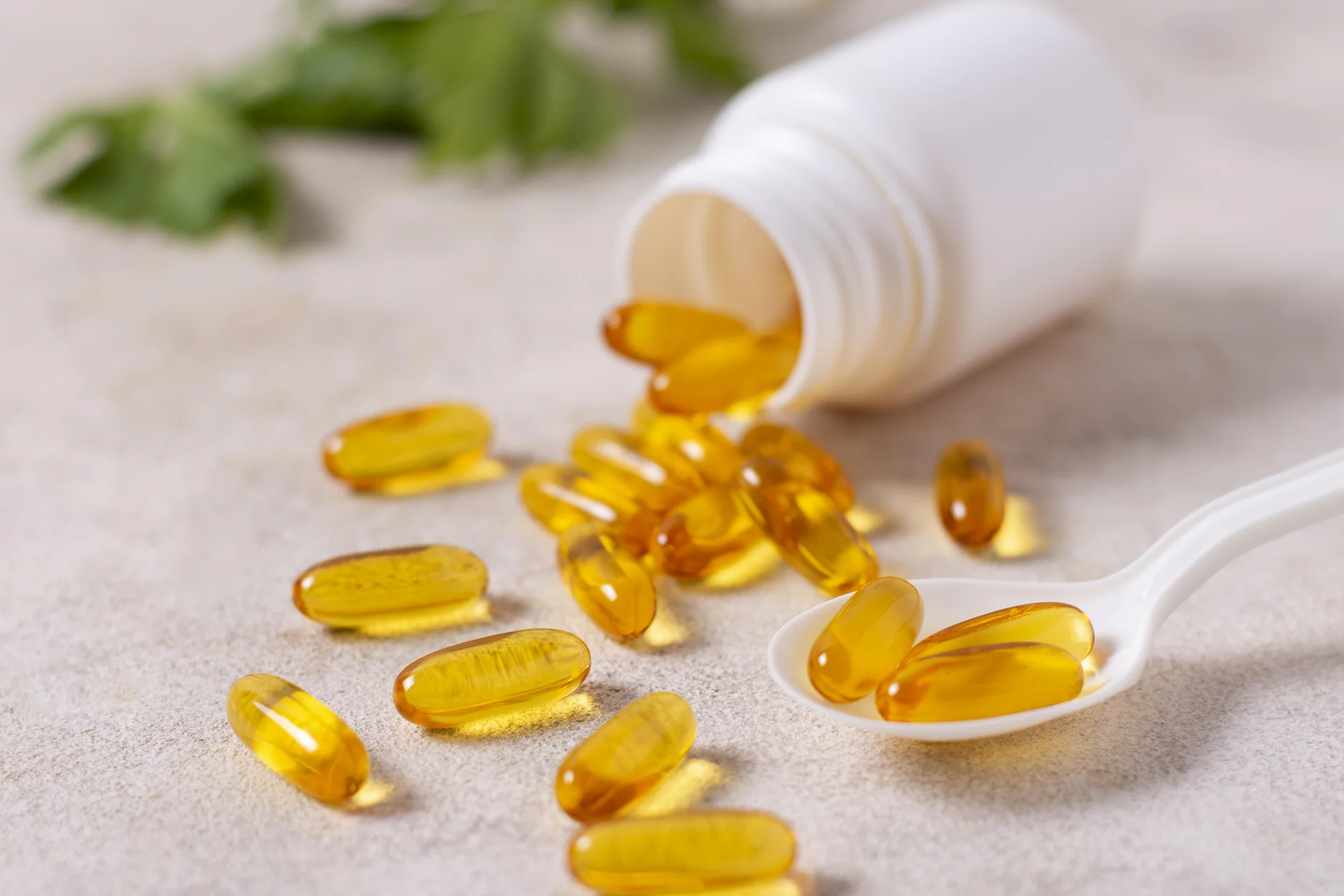
To protect the microbiota, methods such as prebiotic, probiotic, and symbiotic supplements have been used. Today, postbiotic supplements are slowly gaining importance. Probiotics are live microorganisms found in certain foods such as yogurt, sauerkraut, and some cheeses, which are important for healthy digestion. When you consume these foods, they help support a healthy balance of beneficial bacteria and other microorganisms in your gut microbiome, assisting your digestive system and overall health. However, due to the loss of richness in today's food contents, it can be difficult to obtain essential nutrients from diet alone. Another important factor is the inability to absorb nutrients properly because of an unhealthy gut.
Prebiotics are compounds that nourish the beneficial bacteria in the gut or the probiotics we consume, helping them stay alive and grow, thereby supporting the intestinal microflora. Foods like beans, whole grains, and some vegetables, which contain healthy amounts of fiber, are sources of prebiotics.

What are postbiotics?

So, what are postbiotics? The scientific community also refers to postbiotics by other names such as dead probiotics, paraprobiotics, ghost biotics, or heat-inactivated probiotics. The term "postbiotics" is derived from the combination of "biotic," meaning related to or originating from living organisms, and the prefix "post," meaning after. These terms together mean "after life," referring to non-living organisms. Postbiotics consist of non-living microorganisms and/or their components that provide health benefits. Postbiotics are bioactive compounds produced when probiotic bacteria consume prebiotics (fiber). In 2021, the International Scientific Association for Probiotics and Prebiotics (ISAPP) defined postbiotics as "the preparation of non-living microorganisms and/or their components that confer health benefits to the host." This definition requires that inactivated microbes or their components may exist with or without metabolic end products. Healthy postbiotics include nutrients like B and K vitamins, amino acids, and antimicrobial peptides that help slow the growth of harmful bacteria. Other postbiotic substances, such as short-chain fatty acids, assist in the development of healthy bacteria. In addition, postbiotics include lipopolysaccharides, exopolysaccharides, various enzymes, cell wall fragments, bacterial lysates (contents released by breaking bacterial cell membranes), cell-free supernatants (a mixture of compounds produced by bacteria and yeast), vitamins, and amino acids. These products are valuable not only for human health but also for plant and animal health.

What are the health benefits of postbiotics?

Although the concept of postbiotics is relatively new, they have been used for a long time and are associated with various health benefits. Postbiotics tend to mimic the health benefits of probiotics. They support the immune system, have anti-inflammatory properties, possess anticancer qualities, are antimicrobial, prevent infections, can reduce the risk of cardiovascular diseases, help with wound healing, and support the formation of oxytocin, which plays a role in birth functions.

How do postbiotics support the immune system?

Postbiotics help strengthen your immune system. For example, postbiotics like butyrate, a short-chain fatty acid, can stimulate the production of regulatory T cells in your gut. T cells, a subset of lymphocytes, are crucial in the immune response. Postbiotics such as cell wall fragments and supernatants from healthy bacteria can increase the production of anti-inflammatory cytokines, which help reduce inflammation and support immune responses.
Research in adults has shown that postbiotics can strengthen the immune system and protect against infections such as the common cold. In a 12-week study of 80 healthy elderly adults, daily postbiotic supplementation was found to reduce the risk of respiratory infections and enhance the body’s ability to produce antibodies that defend against harmful bacteria and toxins.
In another 20-week study, 300 elderly adults were given a placebo (control), low-dose postbiotics, or high-dose postbiotics daily. At the end of the study, the low and high-dose postbiotic groups had significantly fewer cases of the common cold compared to the placebo group.

How do postbiotics reduce digestive system complaints?

Inflammatory bowel disease (IBD) is a chronic, inflammatory disease of the gastrointestinal tract, including diseases like Crohn's disease and ulcerative colitis. Research suggests that postbiotics, such as short-chain fatty acids, may help improve symptoms in individuals with mild to moderate ulcerative colitis or Crohn's disease.
People with IBD tend to produce more short-chain fatty acids like butyrate in their intestines, which help regulate inflammation and immunity. For instance, butyrate plays a role in activating immune cells that help reduce inflammation.
In a small study of 13 people with mild to moderate Crohn’s disease, taking 4 grams of butyrate daily for 8 weeks resulted in clinical improvement and remission (periods with no symptoms) in 53% of participants.

How do postbiotics prevent and treat diarrhea?

Studies show that postbiotics can help prevent and treat diarrhea. For example, a review of seven studies conducted on 1,740 children found that postbiotic supplementation significantly reduced the duration of diarrhea and was more effective than placebo treatments in preventing diarrhea, pharyngitis, and laryngitis. Similarly, a review of 23 studies conducted on 3,938 children found that postbiotic supplementation was significantly more effective than placebo in preventing antibiotic-associated diarrhea.
In a study conducted in 2003, 137 adults with chronic diarrhea were treated for 4 weeks with either a postbiotic supplement or a probiotic supplement. The study showed that postbiotics were more effective than probiotics in treating diarrhea.
Additionally, in a 4-week study of 297 adults with IBD, postbiotic supplementation significantly reduced bowel movement frequency, bloating, and pain while improving overall quality of life.

What are the other beneficial effects of postbiotics?

Postbiotics have been linked to several other health benefits, but more research is needed to determine the full extent of their effects:

  • They may help reduce the severity of allergic reactions. A study on 34 adults with atopic dermatitis (eczema) found that postbiotic supplementation for 8-12 weeks significantly reduced the severity of allergic reactions.
  • They may support weight loss. Studies suggest that postbiotics, such as short-chain fatty acids, can suppress hunger signals and aid in weight loss.
  • They may reduce the risk of heart disease. Animal studies have shown that butyrate can help lower blood pressure and suppress genes involved in cholesterol production.
  • They may help manage blood sugar levels. Studies have shown that butyrate may help regulate blood sugar levels.
  • They may possess anti-tumor properties. Some animal studies suggest that postbiotics may help inhibit the growth and spread of cancer cells, including those from colon and stomach cancers.

What are the advantages of postbiotics over probiotics?

One of the benefits of postbiotics compared to probiotics is that they do not carry the risks associated with probiotics. Since postbiotics do not contain microorganisms, the risk of negative outcomes from adding new bacteria to the microbiome is lower, making them a more suitable alternative. Probiotics are generally safe for most people, but individuals with weakened immune systems, serious illnesses, or those recovering from surgery can contract infections from probiotics. Postbiotics, however, can be safely used by these individuals when consulted with a doctor.
The production of postbiotics is more cost-effective than probiotics. Postbiotics have a long shelf life, are easy to store and transport, and are less affected by high or low temperatures, making them more reliable to produce.

Some beneficial Lactobacillus species

Lactobacillus plantarum
L. plantarum, a gram-positive lactic acid bacterium, is also found in many fermented and supplementary foods. It is a naturally occurring, beneficial bacterium in the mouth and intestines. It supports processes like the breakdown of food in the body and nutrient absorption. L. plantarum is also a probiotic that can fight harmful microorganisms that may cause diseases in the digestive system. It can help maintain gut flora and improve many digestive issues like diarrhea and constipation. L. plantarum may be used protectively or therapeutically for conditions such as eczema, seasonal allergies, IBS, high cholesterol, inflammatory bowel disease, and respiratory infections. Additionally, it has been shown to support heart health and the immune system, and increase calcium and iron absorption. Clinical studies have shown that L. plantarum significantly increases skin moisture content in the face and hands. Volunteers in the probiotic group observed a significant reduction in wrinkle depth and improved skin brightness by the 12th week. Skin elasticity in the probiotic group significantly increased from the 4th week.
Lactobacillus casei
Strains of L. casei have been shown to accelerate cancer treatment, stimulate the immune system, lower cholesterol levels, combat various chronic diseases, and prevent the growth of pathogenic microorganisms. L. casei has been found to reduce harmful bacterial enzymes such as β-glucuronidase and nitroreductase. It has effects like preventing antibiotic-associated diarrhea, preventing and treating rotavirus diarrhea, and stimulating the immune system. After administering four strains of L. casei to rats, it was found that the bacteria remained alive as they passed through the digestive system, and rats showed reduced levels of serum triglycerides, cholesterol, transaminases, and total bilirubin. L. casei's antimicrobial, anti-diarrheal, and anti-mutagenic effects have also been proven. Furthermore, some studies have shown that it helps balance blood glucose levels.
Lactobacillus paracasei
Studies on this probiotic strain have provided evidence that it can improve hypercholesterolemia, hypertension, allergies, stomach lesions, osteoporosis, and obesity. It is also said to strengthen the immune system. Lactobacillus-fermented products have higher levels of gamma-aminobutyric acid (GABA), biogenic peptides, and aglycone isoflavones.
Lactobacillus rhamnosus
L. rhamnosus is a bacterium naturally found in the intestines. It can inhibit the growth of harmful bacteria, strengthen the gut barrier, enhance the immune system, and help alleviate symptoms of digestive disorders like IBS, constipation, diarrhea, abdominal pain, gas, and bloating. It has also been shown to help treat acute gastroenteritis, infant colic, gum infections, sepsis in premature infants, and prevent intestinal inflammation and tissue death.
Lactobacillus reuteri
L. reuteri inhibits the growth of some harmful gram-negative and gram-positive bacteria, yeast, fungi, and protozoa. It has been shown to colonize the intestines of healthy individuals effectively when taken orally. Colonization starts on the day of intake and levels decrease months after stopping intake. One of the better-documented effects of L. reuteri is its ability to significantly reduce the duration of diarrheal diseases in children. Treating rotavirus-induced diarrhea with L. reuteri significantly shortens the disease duration compared to a placebo. This effect is dose-dependent, with higher doses stopping diarrhea rapidly. L. reuteri is effective prophylactically in diarrhea, with children who take it being less likely to develop diarrhea. It is also an effective supportive treatment for colic pain in infants. L. reuteri has been shown to fight Helicobacter pylori, a digestive system pathogen that causes peptic ulcers and is one of the most common health problems in developing countries. Comparative studies on intestinal infection prevention show that L. reuteri is stronger than other probiotics. L. reuteri may also be effective in treating necrotizing enterocolitis in early-term infants. L. reuteri supports dental health as it has been shown to kill Streptococcus mutans, a bacterium responsible for tooth decay.

1. Toni Golen, Hope Ricciotti. What are postbiotics? Harvard Health Publishing.

https://www.health.harvard.edu/nutrition/what-are-postbiotics

2. Logan Smith. What are postbiotics? WebMD.

https://www.webmd.com/digestive-disorders/features/what-are-postbiotics

3. Lactiplantibacillus plantarum - uses, side effects, and more. WebMD.

https://www.webmd.com/vitamins/ai/ingredientmono-1672/lactiplantibacillus-plantarum

4. Cheryl Whitten. What to know about Lactobacillus rhamnosus (LGG) probiotic. WebMD.

https://www.webmd.com/digestive-disorders/what-to-know-about-lgg-probiotic

5. Ryan Raman. Lactobacillus rhamnosus: A probiotic with powerful benefits. Nutrition, Healthline.

https://www.healthline.com/nutrition/lactobacillus-rhamnosus

6. Kathy W. Warwick. What are postbiotics? A comprehensive overview. Nutrition, Healthline.

https://www.healthline.com/nutrition/postbiotics

7. Katy Wong. The benefits and uses of Lactobacillus plantarum. Dietary supplements, Supplements. 

https://www.verywellhealth.com/lactobacillus-plantarum-benefits-uses-side-effects-4152035

8. Biljana Novkovic. Health benefits of Lactobacillus plantarum (L. plantarum). 

https://supplements.selfdecode.com/blog/l-plantarum/

9. Y. Kotani, S. Shinkai, H. Okamatsu, M. Toba, K. Ogawa, H. Yoshida, T. Fukaya, Y. Fujiwara, P.H. Chaves, K. Kakumoto, N. Kohda, Oral intake of Lactobacillus pentosus strain b240 accelerates salivary immunoglobulin A secretion in the elderly: A randomized, placebo-controlled, double-blind trial, Immun Ageing 7 (2010) 11.

10. S. Shinkai, M. Toba, T. Saito, I. Sato, M. Tsubouchi, K. Taira, K. Kakumoto, T. Inamatsu, H. Yoshida, Y. Fujiwara, T. Fukaya, T. Matsumoto, K. Tateda, K. Yamaguchi, N. Kohda, S. Kohno, Immunoprotective effects of oral intake of heat-killed Lactobacillus pentosus strain b240 in elderly adults: a randomised, double-blind, placebo-controlled trial, Br J Nutr 109(10) (2013) 1856-65.

11. K. Karlinger, T. Györke, E. Makö, A. Mester, Z. Tarján, The epidemiology and the pathogenesis of inflammatory bowel disease, Eur J Radiol 35(3) (2000) 154-67.

12. W. Scheppach, S.U. Christl, H.P. Bartram, F. Richter, H. Kasper, Effects of short-chain fatty acids on the inflamed colonic mucosa, Scand J Gastroenterol Suppl 222 (1997) 53-7.

13. P. Vernia, G. Monteleone, G. Grandinetti, G. Villotti, E. Di Giulio, G. Frieri, A. Marcheggiano, F. Pallone, R. Caprilli, A. Torsoli, Combined oral sodium butyrate and mesalazine treatment compared to oral mesalazine alone in ulcerative colitis: randomized, double-blind, placebo-controlled pilot study, Dig Dis Sci 45(5) (2000) 976-81.

14. A. Di Sabatino, R. Morera, R. Ciccocioppo, P. Cazzola, S. Gotti, F.P. Tinozzi, S. Tinozzi, G.R. Corazza, Oral butyrate for mildly to moderately active Crohn's disease, Aliment Pharmacol Ther 22(9) (2005) 789-94.

15. J.P.B. Silva, K.C. Navegantes-Lima, A.L.B. Oliveira, D.V.S. Rodrigues, S.L.F. Gaspar, V.V.S. Monteiro, D.P. Moura, M.C. Monteiro, Protective Mechanisms of Butyrate on Inflammatory Bowel Disease, Curr Pharm Des 24(35) (2018) 4154-4166.

16. J.N. Malagón-Rojas, A. Mantziari, S. Salminen, H. Szajewska, Postbiotics for Preventing and Treating Common Infectious Diseases in Children: A Systematic Review, Nutrients 12(2) (2020).

17. J.Z. Goldenberg, L. Lytvyn, J. Steurich, P. Parkin, S. Mahant, B.C. Johnston, Probiotics for the prevention of pediatric antibiotic-associated diarrhea, Cochrane Database Syst Rev (12) (2015) Cd004827.

18. S.D. Xiao, D.Z. Zhang, H. Lu, S.H. Jiang, H.Y. Liu, G.S. Wang, G.M. Xu, Z.B. Zhang, G.J. Lin, G.L. Wang, Multicenter, randomized, controlled trial of heat-killed Lactobacillus acidophilus LB in patients with chronic diarrhea, Adv Ther 20(5) (2003) 253-60.

19. A.L. Tarrerias, V. Costil, F. Vicari, J.C. Létard, P. Adenis-Lamarre, A. Aisène, D. Batistelli, G. Bonnaud, S. Carpentier, P. Dalbiès, S. Ecuer, J. Etienne, M. Fantoli, B. Grunberg, P. Lannoy, J. Lapuelle, A. Margulies, M. Neumeier, J.M. Rouillon, L. Schmets, M.P. Pingannaud, P. Coulom, F. Kholer, J.M. Canard, The effect of inactivated Lactobacillus LB fermented culture medium on symptom severity: observational investigation in 297 patients with diarrhea-predominant irritable bowel syndrome, Dig Dis 29(6) (2011) 588-91.

20. M. Moroi, S. Uchi, K. Nakamura, S. Sato, N. Shimizu, M. Fujii, T. Kumagai, M. Saito, K. Uchiyama, T. Watanabe, H. Yamaguchi, T. Yamamoto, S. Takeuchi, M. Furue, Beneficial effect of a diet containing heat-killed Lactobacillus paracasei K71 on adult type atopic dermatitis, J Dermatol 38(2) (2011) 131-9.

21. E.S. Chambers, D.J. Morrison, G. Frost, Control of appetite and energy intake by SCFA: what are the potential underlying mechanisms?, Proc Nutr Soc 74(3) (2015) 328-36.

22. C.S. Byrne, E.S. Chambers, D.J. Morrison, G. Frost, The role of short chain fatty acids in appetite regulation and energy homeostasis, Int J Obes (Lond) 39(9) (2015) 1331-8.

23. C. Goswami, Y. Iwasaki, T. Yada, Short-chain fatty acids suppress food intake by activating vagal afferent neurons, J Nutr Biochem 57 (2018) 130-135.

24. A. Alvaro, R. Solà, R. Rosales, J. Ribalta, A. Anguera, L. Masana, J.C. Vallvé, Gene expression analysis of a human enterocyte cell line reveals downregulation of cholesterol biosynthesis in response to short-chain fatty acids, IUBMB Life 60(11) (2008) 757-64.

25. S. Kim, R. Goel, A. Kumar, Y. Qi, G. Lobaton, K. Hosaka, M. Mohammed, E.M. Handberg, E.M. Richards, C.J. Pepine, M.K. Raizada, Imbalance of gut microbiome and intestinal epithelial barrier dysfunction in patients with high blood pressure, Clin Sci (Lond) 132(6) (2018) 701-718.

26. T. Halmos, I. Suba, [Physiological patterns of intestinal microbiota. The role of dysbacteriosis in obesity, insulin resistance, diabetes and metabolic syndrome], Orv Hetil 157(1) (2016) 13-22.

27. H. Tilg, A.R. Moschen, Microbiota and diabetes: an evolving relationship, Gut 63(9) (2014) 1513-21.

28. A.H. Rad, L. Aghebati-Maleki, H.S. Kafil, A. Abbasi, Molecular mechanisms of postbiotics in colorectal cancer prevention and treatment, Crit Rev Food Sci Nutr 61(11) (2021) 1787-1803.

29. A. Homayouni Rad, L. Aghebati Maleki, H. Samadi Kafil, H. Fathi Zavoshti, A. Abbasi, Postbiotics as Promising Tools for Cancer Adjuvant Therapy, Adv Pharm Bull 11(1) (2021) 1-5.

30. F.J. Cousin, S. Jouan-Lanhouet, M.T. Dimanche-Boitrel, L. Corcos, G. Jan, Milk fermented by Propionibacterium freudenreichii induces apoptosis of HGT-1 human gastric cancer cells, PLoS One 7(3) (2012) e31892.

31. C.A.M. Wegh, S.Y. Geerlings, J. Knol, G. Roeselers, C. Belzer, Postbiotics and Their Potential Applications in Early Life Nutrition and Beyond, Int J Mol Sci 20(19) (2019).

32. V.F.S. Kilic, A. Didem, B. Gulden, Lactobacillus casei’nin Sağlık Üzerine Etkileri ve Gıda Endüstrisinde Kullanımı, 37  (2023).

33. H. Yadav, S. Jain, P.R. Sinha, Oral administration of dahi containing probiotic Lactobacillus acidophilus and Lactobacillus casei delayed the progression of streptozotocin-induced diabetes in rats, J Dairy Res 75(2) (2008) 189-95.

34. S.-S. Chiang, T.-M. Pan, Beneficial effects of Lactobacillus paracasei subsp. paracasei NTU 101 and its fermented products, Applied Microbiology and Biotechnology 93(3) (2012) 903-916.

35. M. Urbańska, D. Gieruszczak-Białek, H. Szajewska, Systematic review with meta-analysis: Lactobacillus reuteri DSM 17938 for diarrhoeal diseases in children, Aliment Pharmacol Ther 43(10) (2016) 1025-34.

36. G. Athalye-Jape, S. Rao, S. Patole, Lactobacillus reuteri DSM 17938 as a Probiotic for Preterm Neonates: A Strain-Specific Systematic Review, JPEN J Parenter Enteral Nutr 40(6) (2016) 783-94.

37. T. Harb, M. Matsuyama, M. David, R.J. Hill, Infant Colic-What works: A Systematic Review of Interventions for Breast-fed Infants, J Pediatr Gastroenterol Nutr 62(5) (2016) 668-86.

38. K. Imase, A. Tanaka, K. Tokunaga, H. Sugano, H. Ishida, S. Takahashi, Lactobacillus reuteri tablets suppress Helicobacter pylori infection--a double-blind randomised placebo-controlled cross-over clinical study, Kansenshogaku Zasshi 81(4) (2007) 387-93.