




Specialist Dietitian Begümhan Ömeroğlu Gülada
Research Assistant - Balıkesir University, Faculty of Health Sciences, Department of Nutrition and Dietetics
"The maternal nutrition during lactating directly effects the quality of breast milk, the baby's health, and the mother's mental and physiological health."
HOW SHOULD NUTRITION BE DURING LACTATİNG PERİOD?

What happens in the women body after birth?

You have met your little one that you have been waiting for like a miracle. So, do you have any idea what is happening in your body at that moment?
During the approximately 40-week adventure, the body grows and develops the baby step by step, while at the same time preparing itself physiologically for milk production so that you can feed and raise your baby after birth. The mother regulates her stores to provide the increasing needs of herself and her baby, and hormones work hard for all these regulations.
Milk yield and secretion of breast milk; Immediately after birth, a mother's body is physiologically ready to feed her baby under all conditions. Regardless of delivery method, only the physiology that is ready needs to be stimulated and triggered. This triggering begins when the mother meets the baby. With the storage prepared during the pregnancy period and the regulation of hormones after birth (especially oxytocin release), the breastfeeding period begins when the mother hears the voice, smell and cry of her baby. This process progresses faster with the skin-to-skin contact of the mother and baby. While the triggering time for breast milk release is shorter after vaginal birth, in cesarean section, the duration of the surgery, the type of anesthesia (it may take longer in general anesthesia), and the mother's individual body response after anesthesia may vary, but this period may be slightly longer than vaginal. However, eventually, the physiological triggering required for breast milk release occurs. Therefore, mothers do not need to have any fear about breast milk release depending on the type of birth. Instead of fear, stress, and anxiety brought on by the unknown, focusing on the first moment they will meet their babies by having handle of the natural process will be much more enjoyable.
The first thing that should be done immediately after birth is for the mother to reunite with her baby. Health professionals recommend that the baby be breastfed within the first half hour after birth. The expectations mentioned here should be realistic. Because it should not be forgotten that the baby's suckling reflex is almost non-existent during this time and the amount of breast milk is about one teaspoon. In this case, breastfeeding should not be expected with large amounts in the first breastfeedings. Due to this expectation, the mother may develop the anxiety that her baby is not full and may resort to uses that reduce the secretion of breast milk. It is extremely important to have a handle of the normal process in terms of controlling this anxiety. Knowledge is the power.
The mother's body secretes an average of 700-800ml of milk every day. However, the amount of milk that comes in the first 5 days (colostrum - thick and yellow milk) is very small, but its nutritional value is much different than the milk that comes later, and even very small amounts contain serious protective factors. Therefore, both due to the baby's stomach capacity and the difference in the quality of the breast milk, even very small amounts will ensure that your baby is fed healthily. If a mother thinks that her milk is not enough for many reasons and starts using formula, a pacifier or a bottle from the first days of life, this can cause the baby to reject the breast and therefore reduce the secretion of breast milk. However, I would like to remind you that the power of mothers' self-confidence, that there will always be enough breastmilk for their babies that physiologically by nature and that every mother's milk is special to her own baby, can make this process easier.

Mother's Requirements

Energy; During the lactating period, the mother primarily needs an increased energy that includes sufficient and balanced nutrients (carbohydrates, protein, fat). The production of breast milk is a phenomenon that requires energy in itself. However, contrary to popular belief, the energy required for this production is not two or three times. The energy required varies depending on the status of the mother's nutritional storage, pre- and post-pregnancy weight, age, height, presence of chronic disease and established nutritional deficiency-imbalance, and therefore it is necessary to consult a dietician at least once to calculate these requirements. During this period, a diet should not be organised to lose weight below 1800kcal.
Protein; Protein is one of the most important nutrients for increased energy needs, postpartum recovery and milk protein quality. Protein needs during the lactating period can be thought of as weight x 0.8 + 10-20g in healthy individuals (varies depending on whether they are fed from animal or plant sources and the ratio of these sources in the diet). Again, a consultation with a dietician should be provided at least once to make this calculation and ensure the correct distribution to your nutrition plan.
Water; The need for water during the lactating period is very high for the production and amount of milk, the increased energy requirement, and the correct use of nutrients. During this period, a minimum of 8-12 glasses of water are expected to be consumed daily. Water and liquid consumption can be supported with water, unsweetened or low-sugar compote, ayran and fruit juice, especially for mothers who cannot drink only water. However, contrary to popular belief, tea, coffee and herbal tea (these are diuretics, meaning they cause more water to be excreted from the body) cannot be included in this consumption. In fact, they cannot be included, and in fact, for every volume of tea, coffee or herbal tea consumed, at least that amount/volume of water must be drunk in order to replace the water excreted from the body.
Folate, Vitamin B12, Zinc and Iron; These vitamins and minerals are extremely important not only for the mother's increased needs and recovery during pregnancy and breastfeeding, but also for the baby's development and the quality of milk.
Vitamin D; It is impossible to meet the need for vitamin D through nutrition. Therefore, it will be important to pay attention to the daily sun exposure time and use supplements if necessary after consulting your doctor.

Baby's Requirements

Energy; The baby basically needs energy for growth and development. The energy needed is available in breast milk. Regardless of the maternal nutrition, every breast milk provides an average of 69±7kcal/100ml of energy. Breast milk calories do not depend on the maternal nutrition. The energy of the breast milk of undernourished women and that of a sufficiently nourished mother is similar on average.
Protein; The requirement for growth, development and brain development is higher than normal adults  per kilogram. Although the maternal nutrition does not change the protein amount of breast milk very much, it effects the protein quality (amino acid types and distribution). In addition, although the protein amount is not affected by the maternal nutrition in the short term, it is useful to emphasize that protein requirements are important in both ways, considering the mother's stores and her own needs in the long term.
Fatty acids; Although the total fat amount in every 100 milliliters of breast milk is not effected by the matrenal nutrition, the fatty acid type and pattern are effected by both the mother's storage and the maternal nutrition.
Iron, Iodine, Folate and Zinc; The need for all of them increases during the lactating period for both the mother's requirements and the baby's growth, development, brain development and general health. It is important for lactating women to make sure that they provide their requirements in their daily diets. The amount of the other nutriets in breast milk, except for folate, is effected by the maternal nutrition. However, the folate amount in breast milk is only effected by the mother's storage prepared before birth.
Vitamin A; The yellow and thick milk called colostrum that comes in the first 5 days after birth is very rich in vitamin A. The vitamin A content is effected by both the maternal nutrition and the storage the mother prepares during pregnancy. The low vitamin A level seen in the mother also causes the vitamin A level of breast milk to decrease. However, since it is a stored vitamin, it is not essential to take it daily.
Vitamins C, B1, B2, B3, B6 and B12; Since these vitamins are not stored vitamins, the mother should be extremely careful in her diet regarding the intake of these vitamins daily. If oral contraceptive pills were used for a long time before pregnancy, it is observed that the vitamin B6 content of breast milk decreases during breastfeeding. In this case, it will be beneficial to consume foods that are fortified with B6. If you have had a gluten-free diet for a long time due to any illness or if you have a history of surgery such as intestinal surgery or gastric bypass, you may have problems with vitamin B intake, absorption and use. In order to provide your increased requirements during lactating, you may need to keep a diet diary and count foods containing B group vitamins, or for this reason, you may need to take supplements with the advice of your doctor.

What to Do to Increase Breast Milk

Situations that increase the amount and secretion of breast milk are; any kind of contact between the mother and her baby, the mother smelling her baby, hearing her cry, the mother and baby sleeping in the same room, communication that activates the five senses, regulating the mother's stress, increasing water consumption and sufficient sleep.
Although the quality of breast milk and the amount of components in it are affected by maternal nutrition, the volumetric amount of breast milk depends only on the factors listed above.
On the other hand, the correct progress of breastfeeding also indirectly affects breast milk secretion. Incorrect breastfeeding technique, always breastfeeding from the same breast, the baby not being able to latch on to the breast correctly, not being able to care for the nipples correctly and effectively and the development of mastitis due to not expressing milk when necessary can indirectly cause breastfeeding to be interrupted. In these cases, the amount of breast milk would have been affected.

Nutritional Interventions and Their Effects During Lactating

There are studies showing that mothers consuming fish 3 days a week protects babies from eczema that may develop in the early period. In addition, omega 3 is reported as a protective factor against the risk of postpartum depression.
It has been determined that a diet rich in probiotics or the use of certain probiotic strains reduces the symptoms of eczema and colic that may develop in newborn babies.
It has been found that the development of atopic dermatitis and allergic reactions is low in babies of people who eat a wide variety of foods instead of a single type during pregnancy. Again, similar studies emphasize that the frequency of allergic reactions in babies decreases as vegetable and yogurt consumption increases.
In a study conducted in Australia, it was determined that eating foods containing low FODMAP (removal of foods that cause cramps, gas and pain from the diet) caused a decrease in crying and pain periods in babies. However, it was determined that this diet had no effect in reducing the mother's stress level compared to the classic Australian diet.
Lack of dietary diversity and high intake of energy-dense, nutrient-poor foods such as refined rice and sugar-based foods and beverages have been shown to contribute to inadequate micronutrient intake. In the long term, children of mothers who have a nutrient-poor diet are more likely to be stunted/short, underweight, and have deficiencies, particularly in iron, zinc, and vitamin A.

Things to Consider in Nutrition During Lactating

Pay attention to adequate water intake.

Check your protein intake.

Consume fish 2-3 days a week.

If you observe serious crying crises and gas pains in your baby after consuming gas-producing foods, there is no harm in removing these foods from the diet for a short time. However, removing foods from the diet in this way may cause insufficient intake of some nutrients. Therefore, make sure that the nutrients provided by the removed food are added to your diet. For example; if you decide to remove legumes from your diet for a short time such as fiber, protein, magnesium should be added to the diet. In this case, you will prevent insufficiency by adding foods from the meat group and vegetable-fruit group instead of legumes. In order to prevent insufficiencies, definitely continue this process with a dietician.

You should know that the belief that consuming foods with high sugar content such as puerperal sherbet, milk or sherbet desserts increases milk production is wrong. Stay away from excessive sugar intake in your diet.

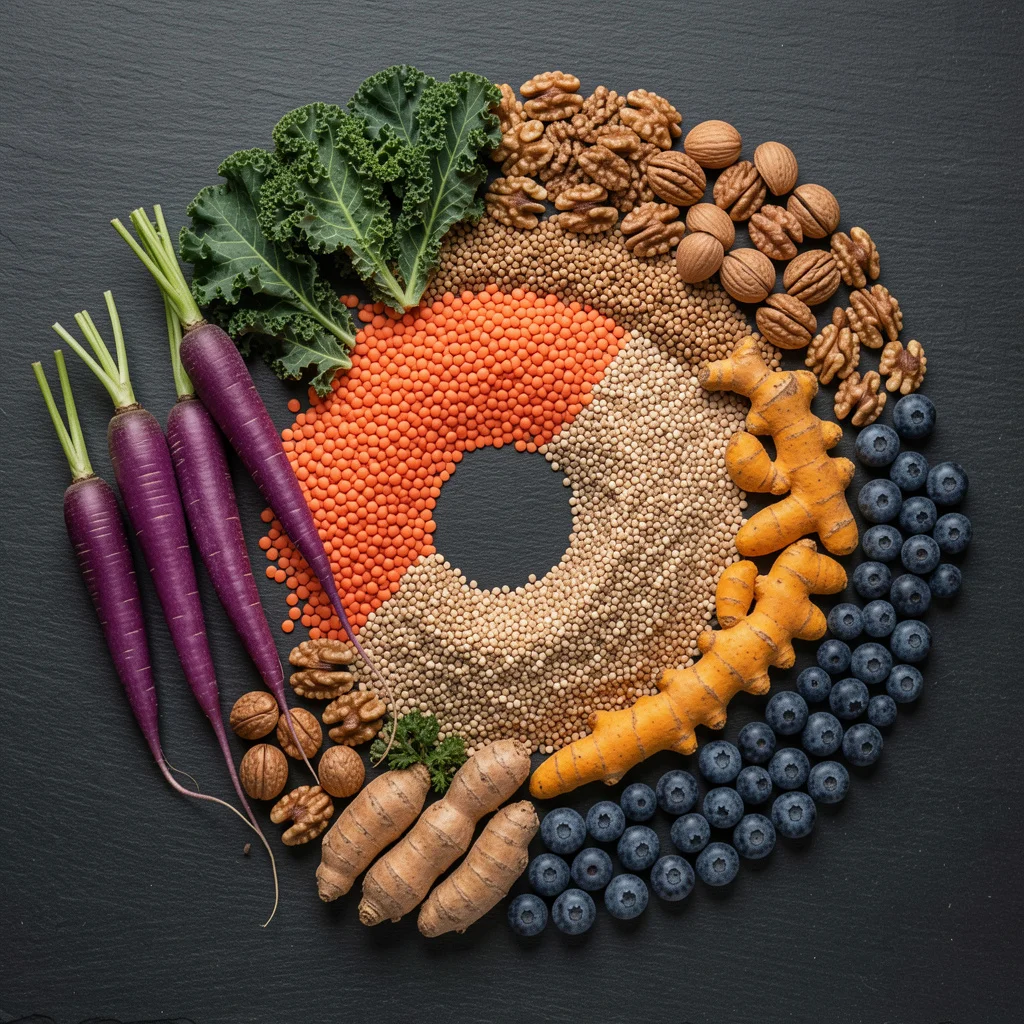
Especially during the postpartum period, mothers may experience constipation problems. Make sure that they have enough fiber intake. Include plenty of seasonal vegetables and fruits. Eat a colorful diet.

Make sure that you get enough calcium and magnesium. Include milk and its products, nuts such as hazelnuts, almonds, walnuts, and oats in your diet on a daily basis.

Avoid excessive caffeine consumption.

Avoid seafood that has a high probability of microorganism contamination and that may contain heavy metals.

Considering the risk of pesticide residue, which has been one of the most important problems recently, consume seasonal vegetables and fruits. Get them from suppliers you trust (organic certification may be appropriate). You can consume them by washing them in plenty of water after waiting stages such as vinegar and baking soda, respectively.

Never consume products that are moldy, rancid, not stored under correct storage conditions, melted and refrozen, or that you know contain aflatoxin (toxins formed by mold) with reports and analysis results. These toxins pass into breast milk.

You can go outside and walk for at least 15-20 minutes every day to benefit from the sun.

Don't be overwhelmed by the long list of things mothers should pay attention to during the breastfeeding period, trust your instincts and the power of knowledge. Work together with health professionals to raise healthy generations.

Common Misconceptions

Contrary to popular belief, consuming sugar and sugary foods does not increase milk production. Since there is a need to drink plenty of water after consuming these foods, it may be perceived as if it does. However, this situation is completely related to water consumption. Drink plenty of water.

The mother's requirements during the lactating period are higher than during pregnancy. However, this increased need is never twice the energy needs of a healthy individual. In order to fully determine this need and have an adequate and balanced breastfeeding diet, you should definitely consult a dietician at least once.

Breast milk alone is sufficient for your baby for the first 6 months. There is no need to even give water. The mother and baby should come together for breastfeeding within the first 30 minutes after birth. Any behavior that will cause the mother and the baby to be removed from the moment of breastfeeding due to various customs, traditions or traditions is wrong.

Breastfeeding may not occur at the desired level in the early stages. This should not reduce the mother's self-confidence or cause her to feel inadequate. This is a normal process. During this process, the transition to bottle or formula should not be rushed with the thought that your baby is hungry. At this stage, the mother's milk should be expressed and slowly given to the baby's mouth with the help of a spoon bottle, again triggering the suckling reflex. With this method, both the secretion of breast milk continues and the baby does not turn to a tool that it can easily grasp and suckling, such as a bottle. Remember that it is more difficult for a newborn baby to suck milk from the mother's breast than from a bottle. The baby may turn to the bottle and reject the breast. Therefore, a spoon bottle should be used in such cases.

There is no need to use a dummy or pacifier. Using these may indirectly cause early satiety or breast rejection. The baby needs the mother's breast and the most basic bond it will establish with the mother. There is no need for tools that will prevent both mother and baby from adapting to this new process.

Summary

Maternal nutrition during the lactating period directly effects the quality of breast milk, the baby's health, and the mother's mental and physical health. For the health of the mother and baby, the nutrition plan during the lactating period should be arranged by a dietitian at least once, in a balanced and individualized way, including sufficient energy, carbohydrates, fat, protein, vitamins and minerals. The breast milk yield and secretion of breast milk is a physiological condition. Only this physiology needs to be triggered. Knowing the triggers and interrupters will ensure that the process progresses comfortably. During the lactating period, especially for the mother's increasing requirements and the baby's growth and development, the diet should be planned sufficiently in terms of protein, iron, zinc, iodine and fiber rich, fruit and vegetable content and variety. Learning about the false beliefs effected by many reasons during the lactating period, knowing the requirements and having handle of the effects of exposures will indirectly change and improve the health of the mother, baby and society. Therefore, understanding the basics of the subtleties of nutrition during the lactating period is extremely important.

Calvo-Lerma, J et al. Comprehensive Targeted and Quantitative Profiling of the Human Milk Metabolome: Impact of Delivery Mode, Breastfeeding Practices, and Maternal Diet. Molecular nutrition & food research (2024). 

Caut CM, Leach, and Steel. Dietary Guideline Adherence during Preconception and Pregnancy: A Systematic Review. Maternal & child nutrition (2020). https://doi.org/10.1111/mcn.12916

Eroğlu Samur G. Gebelik ve Emziklilik Döneminde Beslenme. Sağlık Bakanlığı Yayın No: 726 (2012).

Iacovou M et al. Randomised clinical trial: reducing the intake of dietary FODMAPs of breastfeeding mothers is associated with a greater improvement of the symptoms of infantile colic than for a typical diet. Aliment Pharmacol Ther (2018). 

Kidd M et al. Something is wrong with your milk": Qualitative study of maternal dietary restriction and beliefs about infant colic. Canadian family physician Medecin de famille canadien (2019). 

Smith TJ et al. Diets, Fruit and Vegetable Intake and Nutritional Status Among Children, Adolescents and Adults in the Philippines: A Scoping Review. Maternal & child nutrition (2024). 

Uçar Z ve Öngün Yılmaz H. Nutrition in lactation: energy and macro nutrients. J Health Pro Res (2020). 

Valentine CJ and Wagner CL. Nutritional Management of the Breastfeeding Dyad. Pediatr Clin N Am (2013).