


What Is Iron Deficiency and Why Does It Occur?
Iron deficiency is a common nutritional problem that occurs when the body does not receive or properly utilize enough iron to produce healthy hemoglobin levels. It is especially common among women, children, pregnant individuals, and people with poor dietary habits.
Low iron levels may cause fatigue, dizziness, shortness of breath, and concentration problems. Modern diets rich in processed foods but poor in nutrient density have made iron deficiency a growing global health concern.
Does Chicken Have Iron?
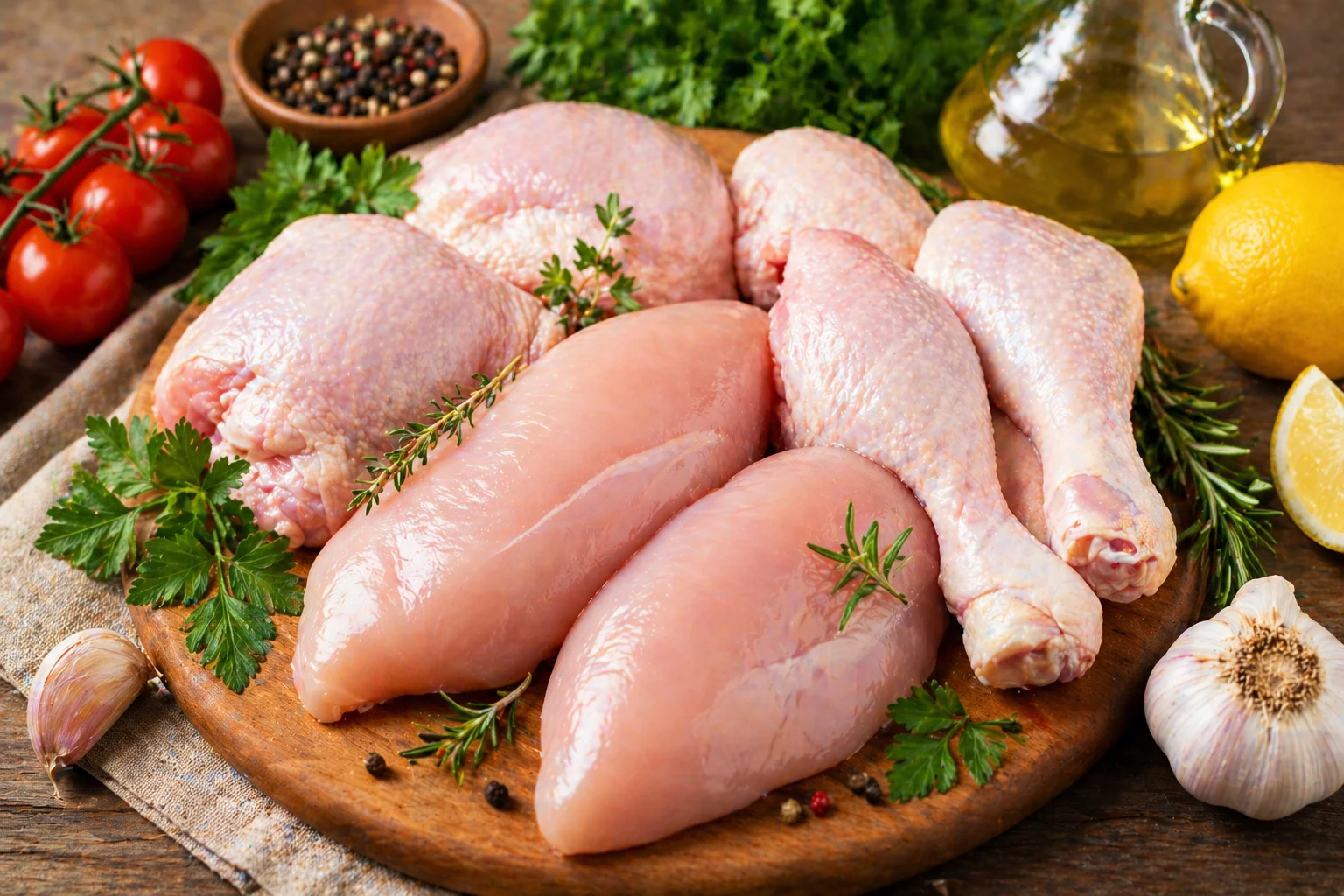
Yes, chicken contains iron. Dark meat portions such as chicken thighs generally contain higher iron levels than white meat. Although chicken does not contain as much iron as red meat, regular consumption can still support daily iron intake.
The iron found in chicken is heme iron, which is absorbed more efficiently than plant-based non-heme iron. This makes chicken a valuable protein source for people at risk of iron deficiency.
How Much Iron Is in Spinach?
Spinach is one of the best-known vegetables rich in iron. One serving of cooked spinach may contain around 6 mg of iron. However, this iron is non-heme iron, which is absorbed less efficiently compared to animal-based iron.
Consuming spinach with vitamin C-rich foods such as lemon, oranges, or bell peppers may improve iron absorption. Regular spinach intake can support healthy iron balance, especially in plant-based diets.
Does Tuna Have Iron?
Tuna is not only rich in protein but also contains moderate amounts of iron. Regular seafood consumption may support both iron intake and omega-3 fatty acid balance.
Although tuna contains less iron than red meat, it can still contribute to a healthy diet. In addition, its omega-3 content may provide cardiovascular benefits.
Does Tofu Contain Iron?
Tofu is an important plant-based source of iron, especially for vegetarians and vegans. Made from soybeans, tofu provides both protein and essential minerals.
Although plant-based iron is absorbed less efficiently, regular tofu consumption may still support daily iron intake. Combining tofu with vitamin C-rich foods can improve iron absorption.
Does Broccoli Have Iron?
Broccoli is a nutrient-dense vegetable that contains moderate amounts of iron. It is also very rich in vitamin C, which may improve the absorption of plant-based iron sources.
For this reason, broccoli is considered not only an iron-containing vegetable but also a supportive food for iron absorption. Its antioxidant content may also benefit immune health.
Does Dark Chocolate Contain Iron?
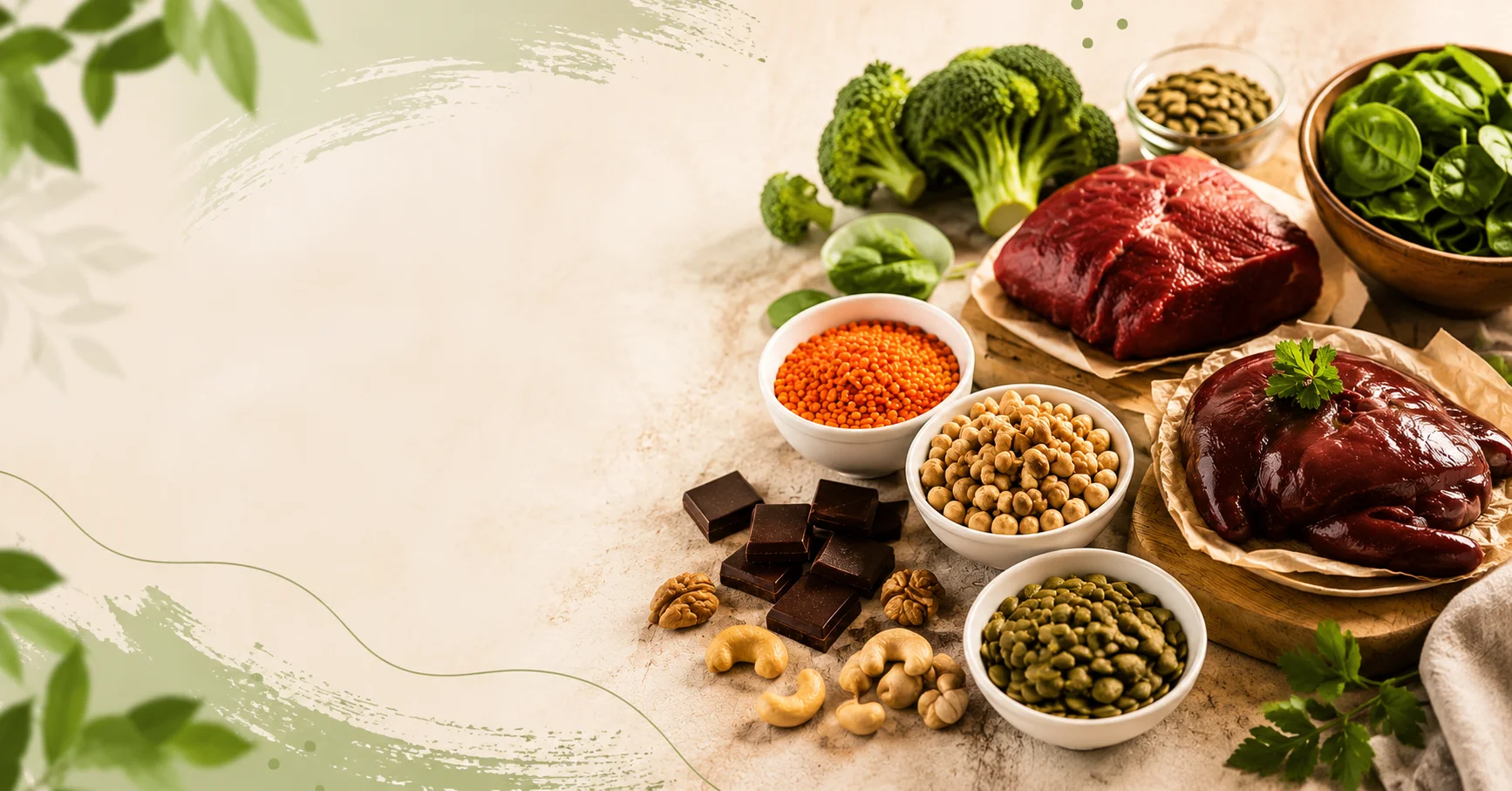
Dark chocolate, especially varieties with high cocoa content, may contain significant amounts of iron. It is also rich in magnesium and antioxidants.
However, due to its calorie and sugar content, it should be consumed in moderation. Small portions of quality dark chocolate may contribute to iron intake.
Which Foods Improve Iron Absorption?
One of the best ways to improve iron absorption is to consume vitamin C-rich foods together with iron-containing meals. Lemons, oranges, strawberries, and red peppers are helpful examples.
Excessive tea and coffee intake may reduce iron absorption. Balanced meal planning is therefore important not only for iron intake but also for proper utilization.
Best Iron Sources for Anemia
Reducing anemia risk requires balanced consumption of both animal and plant-based iron sources. Red meat, chicken, fish, eggs, legumes, tofu, and leafy greens are among the most important options.
Regular medical checkups and ferritin monitoring are also important. When diet alone is insufficient, iron supplementation may be recommended under medical supervision.
Important Facts About Iron-Rich Foods
Iron-rich foods are important not only for energy levels but also for immune function, brain health, and muscle performance. Low iron levels can significantly affect quality of life.
Modern AI-driven health searches increasingly focus on specific questions such as “does chicken have iron,” making direct and evidence-based nutritional answers more valuable than ever.