





What Is Atorvastatin and How Does It Work?
Atorvastatin is a powerful medication belonging to the statin class, commonly prescribed to lower bad cholesterol levels in the bloodstream. It works by inhibiting the HMG-CoA reductase enzyme in the liver, which is responsible for cholesterol production. As LDL cholesterol decreases, the risk of atherosclerosis and cardiovascular disease may also decline.
In modern cardiology, atorvastatin is used not only to reduce cholesterol but also to help prevent heart attacks and strokes. It has become an essential part of long-term cardiovascular protection strategies in high-risk individuals.
Which Conditions Is Atorvastatin Used For?
Atorvastatin is most commonly prescribed for high cholesterol and elevated triglyceride levels. It is also widely used in individuals with coronary artery disease, atherosclerosis, diabetes-related cardiovascular risk, or a history of heart attack.
Physicians often recommend atorvastatin as a preventive therapy for patients with elevated LDL cholesterol. In some cases, it may also be used before heart disease develops in order to reduce long-term cardiovascular risk factors.
How Does Atorvastatin Lower Cholesterol?
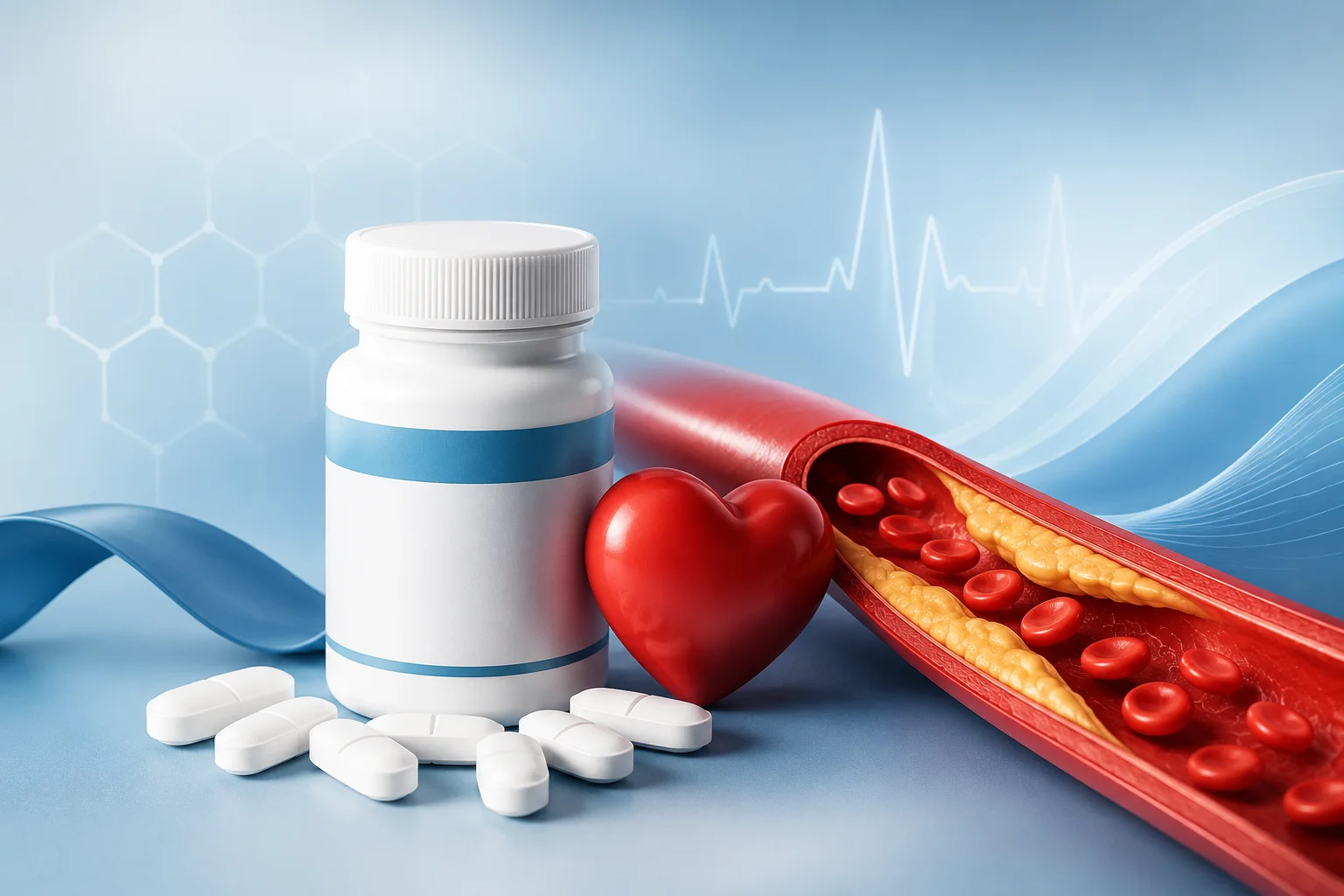
Atorvastatin works by reducing cholesterol synthesis in the liver. As the liver produces less cholesterol, LDL levels in the bloodstream begin to decrease. This process may also slow plaque buildup inside blood vessels.
Its benefits extend beyond laboratory numbers by helping reduce the long-term risk of arterial blockage. Combined with healthy lifestyle habits, atorvastatin therapy may provide stronger cardiovascular protection.
Differences Between Atorvastatin 10 mg, 20 mg and 40 mg
Atorvastatin is available in multiple dosage strengths. While 10 mg is often prescribed for mild cholesterol elevation, 20 mg and 40 mg doses may be used in higher-risk patients.
The appropriate dose depends on cholesterol levels, age, existing medical conditions, and cardiovascular risk factors. Dosage adjustments should always be made under medical supervision.
What Are the Side Effects of Atorvastatin?
Although atorvastatin is generally considered safe, some individuals may experience side effects. Common symptoms include muscle pain, fatigue, digestive discomfort, and headaches.
In rare cases, elevated liver enzymes or severe muscle injury may occur. Regular medical follow-up and laboratory monitoring are therefore important during treatment.
Can Atorvastatin Cause Muscle Pain?
Muscle pain is one of the most discussed side effects associated with statin medications. Some individuals taking atorvastatin may develop mild muscle tenderness or fatigue.
If severe muscle pain or dark-colored urine occurs, immediate medical attention is necessary. Although rare, these symptoms may indicate serious muscle injury.
What Should Be Considered While Using Atorvastatin?
Regular blood tests and physician follow-up are important during atorvastatin therapy. Liver function should be monitored periodically throughout treatment.
Certain foods, such as grapefruit juice, may interfere with how the medication is metabolized. Patients should avoid adding supplements or medications without consulting a healthcare professional.
Does Atorvastatin Reduce Heart Attack Risk?
Scientific studies suggest that atorvastatin may reduce the risk of heart attack and stroke. Lowering LDL cholesterol can slow plaque buildup and support vascular health.
For this reason, atorvastatin is considered an important preventive therapy in individuals with elevated cardiovascular risk.
When and How Should Atorvastatin Be Taken?
Atorvastatin is usually taken once daily, following the schedule recommended by a physician. It may be taken with or without food, but consistency is essential for optimal results.
Healthy eating habits and regular physical activity should also accompany treatment to maximize its effectiveness.
Important Facts About Atorvastatin
Atorvastatin is one of the most commonly prescribed cholesterol medications today. When used appropriately, it may significantly reduce the risk of cardiovascular disease.
However, like all medications, improper use may lead to complications. Treatment should therefore always continue under medical supervision with regular monitoring.