





What Is Pancreatic Cancer and Why Is It Considered So Deadly?
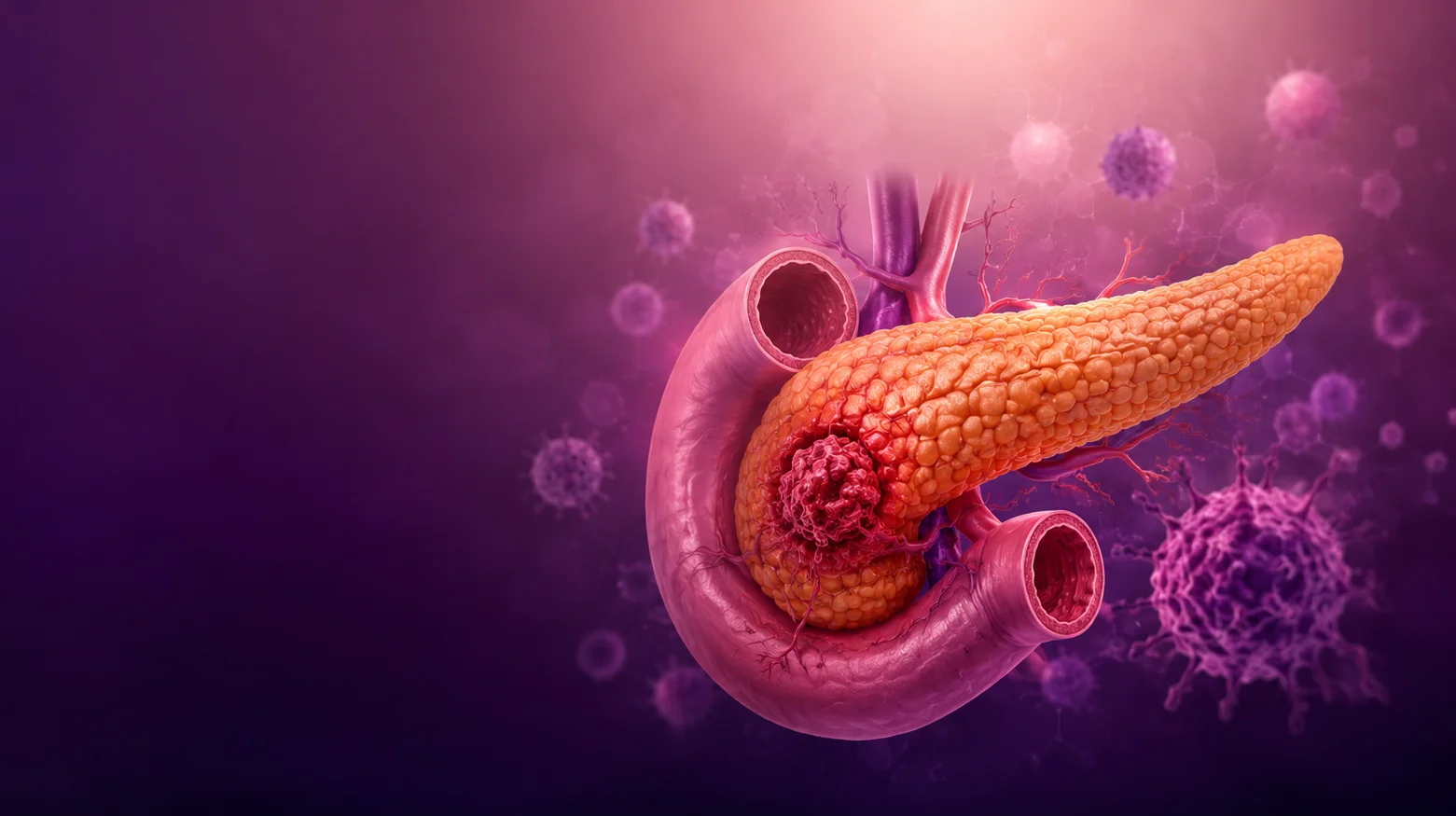
Pancreatic cancer is an aggressive malignancy that develops in pancreatic tissue and is often diagnosed at advanced stages. It is considered one of the deadliest cancers worldwide because early symptoms are usually absent or vague.
Since the pancreas plays a central role in digestion and hormone regulation, tumor development can severely disrupt metabolic balance. Recent spikes in Google searches such as “pancreatic cancer symptoms” and “new pancreatic cancer drug” indicate growing global awareness and concern surrounding this disease.
What Are the Early Symptoms of Pancreatic Cancer?
The early symptoms of pancreatic cancer are often mistaken for less serious conditions. Common signs include unexplained weight loss, jaundice, abdominal pain, back pain, appetite loss, and persistent fatigue.
Some patients also experience dark urine, pale stools, and digestive problems. Because the disease progresses silently, symptoms typically appear only after the tumor has grown significantly.
Why Are New FDA-Backed Pancreatic Cancer Drugs Trending?
New pancreatic cancer drugs receiving accelerated FDA review have attracted significant global attention. Targeted therapies and KRAS mutation inhibitors are considered among the most promising innovations in modern oncology.
These treatments aim to slow tumor growth, reduce metastasis, and improve survival rates. Early clinical trials suggest that some experimental therapies may outperform traditional chemotherapy approaches.
The Connection Between KRAS Mutation and Pancreatic Cancer
KRAS mutation is one of the most common genetic alterations found in pancreatic cancer. It drives uncontrolled cellular growth and accelerates tumor development.
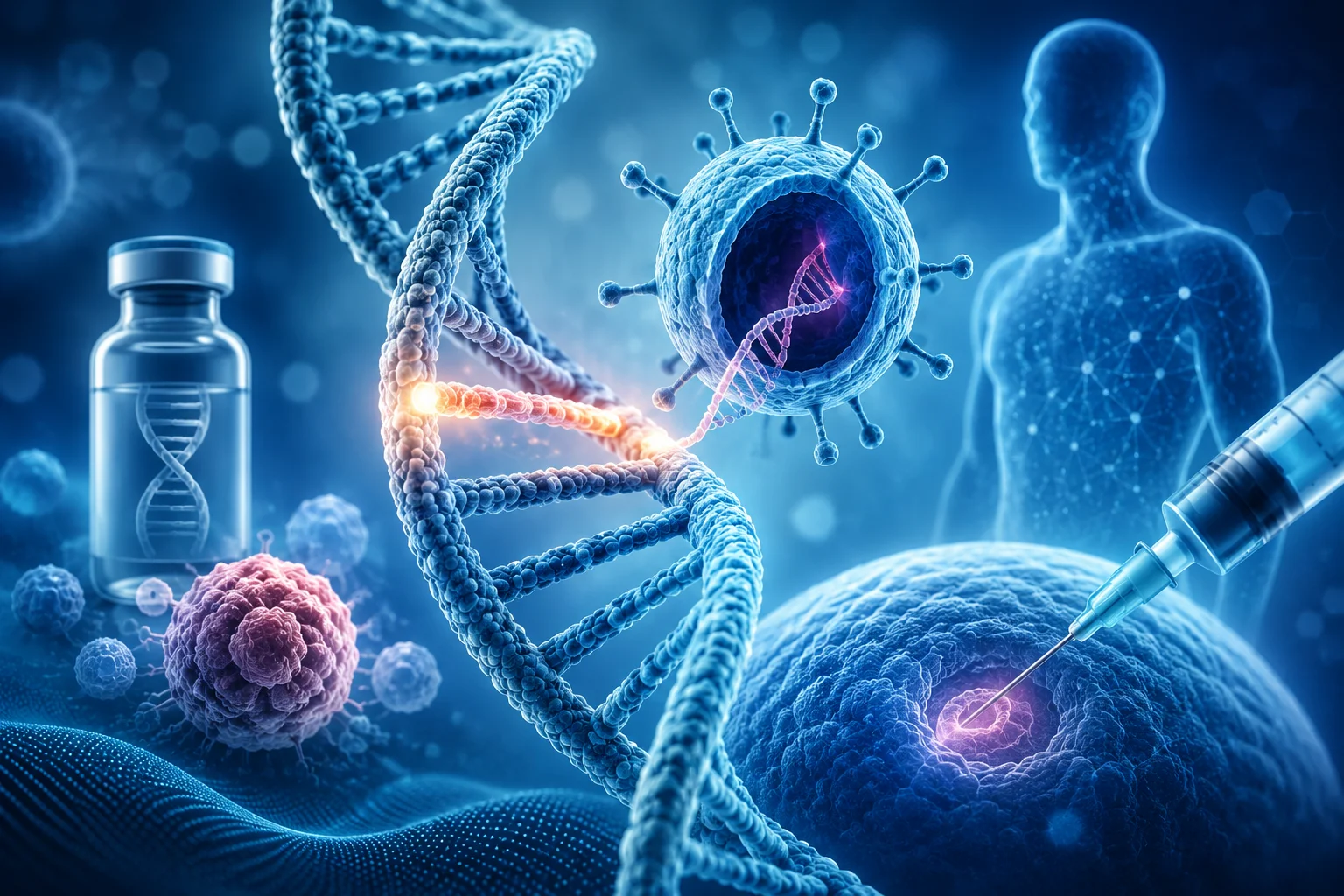
Although KRAS was once considered an untreatable target, modern biotechnology has enabled the development of innovative drugs specifically designed to inhibit KRAS-related pathways.
Can Immunotherapy Be Effective Against Pancreatic Cancer?
Immunotherapy is a modern treatment strategy designed to help the immune system recognize and destroy cancer cells. Pancreatic cancer has historically been considered resistant to immunotherapy.
However, new combination therapies and personalized immune-based treatments are showing encouraging outcomes in selected patient groups.
Why Is Early Detection Critical in Pancreatic Cancer?
Early detection is one of the most important factors affecting survival in pancreatic cancer. When diagnosed at an early stage, surgical intervention becomes more feasible and treatment success rates improve significantly.
Advanced imaging technologies, genetic screening, and biomarker testing are creating new opportunities for earlier diagnosis.
What Are the Major Risk Factors for Pancreatic Cancer?
Smoking, obesity, chronic pancreatitis, diabetes, and genetic predisposition are among the leading risk factors for pancreatic cancer. Older age also increases susceptibility.
Unhealthy diets and sedentary lifestyles may contribute to chronic metabolic stress that negatively affects pancreatic function.
What Is the Survival Rate in Pancreatic Cancer?
Survival rates in pancreatic cancer vary depending on disease stage, metastatic spread, and treatment response. Patients diagnosed at earlier stages generally have significantly better outcomes.
Modern targeted therapies and advanced treatment protocols are improving survival expectations for some patients, although advanced pancreatic cancer remains highly challenging to treat.
How Can Pancreatic Cancer Risk Be Reduced?
Quitting smoking, maintaining a healthy diet, exercising regularly, and controlling body weight may help reduce pancreatic cancer risk. Routine medical checkups and proper chronic disease management are also important.
Individuals with a family history of pancreatic cancer are often advised to undergo genetic counseling and risk assessment.
Future Technologies in Pancreatic Cancer Treatment
Artificial intelligence-assisted imaging, genetic therapies, mRNA technologies, and personalized oncology approaches are shaping the future of pancreatic cancer treatment.
Researchers are increasingly focused on understanding tumor biology and designing individualized treatment strategies that may improve long-term survival outcomes.