





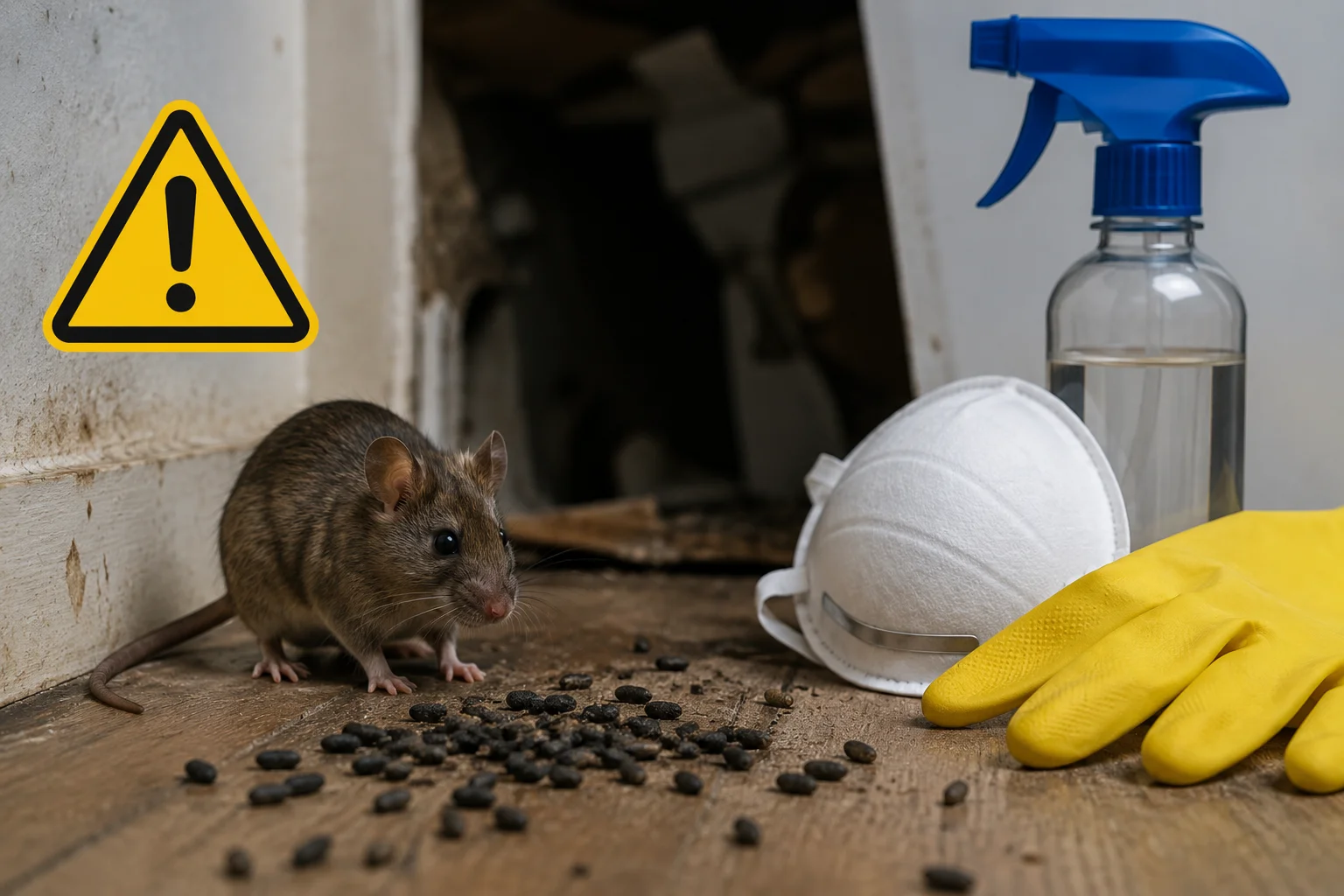
What Is Hantavirus?
Hantavirus is a viral infectious agent that can be transmitted to humans through rodents and may cause serious respiratory or kidney-related illness in some cases. These viruses are commonly spread into the environment through the urine, feces, or saliva of mice, rats, and other rodents. Human infection usually occurs when dried contaminated materials become airborne and are inhaled as dust particles. Hantavirus infections may not always be severe, but certain types can progress rapidly and lead to life-threatening clinical conditions. Therefore, people living or working in rural areas, storage spaces, barns, basements, fields, or places with possible rodent exposure should take preventive precautions seriously.
How Is Hantavirus Transmitted?
The primary source of hantavirus transmission is exposure to urine, feces, or saliva left behind by infected rodents. When these materials dry, they may become airborne during cleaning or movement and enter the body through inhalation. Closed spaces that have not been ventilated for a long time and may have housed rodents are particularly risky. Less commonly, touching contaminated surfaces and then touching the mouth, nose, or eyes may also increase the risk of infection. Hantavirus is generally not considered an infection that spreads easily from person to person, although exceptions may exist depending on regional virus types. Prevention mainly depends on avoiding rodent exposure and cleaning risky areas with proper safety methods.
What Are the Symptoms of Hantavirus?
Symptoms of hantavirus may vary depending on the virus type, the person’s immune status, and the organs affected by the infection. In the early stage, fever, fatigue, muscle aches, headache, nausea, vomiting, abdominal pain, and general malaise may occur. Because these symptoms resemble influenza, the disease may be difficult to recognize at first. In some cases, serious respiratory findings such as cough, shortness of breath, chest tightness, or rapid breathing may develop within a few days. In forms that affect the kidneys, decreased urine output, lower back pain, blood pressure changes, and impaired kidney function may appear. If there is a history of rodent exposure, these symptoms should not be ignored.
Who Is at Higher Risk for Hantavirus?
People with a higher likelihood of rodent exposure are at greater risk for hantavirus infection. Farmers, forestry workers, construction workers, warehouse staff, campers, hunters, and individuals cleaning spaces that have remained closed for long periods should be especially careful. Those living in rural areas or working in locations with dense rodent populations are also at increased risk. The risk is not limited to direct contact with rodents; inhaling dust contaminated with rodent urine or feces may be enough for transmission. Individuals with weakened immune systems may experience a more severe course of illness. Therefore, protective equipment and environmental hygiene are critical for occupational and environmental risk reduction.
How Does Hantavirus Affect the Lungs?
Some types of hantavirus can affect the lungs and cause a severe condition known as Hantavirus Pulmonary Syndrome. In this form, the illness may initially begin with nonspecific symptoms such as fever, muscle pain, and fatigue, but respiratory distress can develop rapidly. Increased permeability in the lung blood vessels may lead to fluid accumulation in lung tissue. This can impair oxygen exchange and cause shortness of breath, rapid breathing, and, in severe cases, respiratory failure. Because this form of the disease can progress quickly, early medical evaluation is essential. Shortness of breath after possible rodent exposure should be considered a warning sign that requires urgent medical attention.
How Does Hantavirus Affect the Kidneys?
Certain types of hantavirus can target the kidneys and cause a clinical condition known as hemorrhagic fever with renal syndrome. In this condition, high fever, headache, abdominal or lower back pain, blood pressure changes, and decreased urine output may occur. When kidney blood vessels are affected, fluid balance may be disrupted, leading to temporary or severe impairment of kidney function. Some patients may also develop bleeding tendency, low platelet count, or complications related to the circulatory system. Early diagnosis and supportive treatment play a critical role in controlling kidney damage. For this reason, changes in urination after possible rodent exposure should be monitored carefully.
How Is Hantavirus Diagnosed?
Diagnosis of hantavirus is made by evaluating the patient’s symptoms, exposure history, and laboratory findings together. The physician first investigates whether the person has recently been exposed to rodents, cleaned enclosed spaces, stayed in rural areas, or developed symptoms after a possible risk event. Blood tests may assess signs of infection, platelet count, kidney function, liver enzymes, and oxygenation status. Specific tests that detect antibodies against hantavirus or viral genetic material may be used for confirmation. In the early stage, the disease may resemble influenza, pneumonia, or other viral infections. Therefore, accurately reporting possible rodent exposure is a decisive factor in the diagnostic process.
Is There a Treatment for Hantavirus?
Treatment of hantavirus infection depends on disease severity and the organ systems affected. Currently, there is no universally standard antiviral treatment that is directly effective for every type of hantavirus. Therefore, supportive care forms the basis of treatment. Patients with respiratory distress may require oxygen therapy, intensive care monitoring, or advanced respiratory support. In cases involving the kidneys, fluid balance, electrolytes, blood pressure, and kidney function must be closely monitored. Some severe cases may require dialysis. Treatment success depends heavily on early recognition of the disease and timely medical support before complications become advanced. Anyone with suspicious symptoms after possible exposure should seek medical care without delay.
How Can Hantavirus Be Prevented?
The most effective way to prevent hantavirus is to reduce contact with rodents and maintain proper rodent control in living spaces. Food should be stored in sealed containers, garbage should be removed regularly, and holes or gaps that may allow rodent entry should be closed in homes, warehouses, garages, barns, and basements. Areas that have remained closed for long periods must be ventilated before cleaning. Dry sweeping or vacuuming may be risky because it can stir contaminated dust into the air. Instead, surfaces should be moistened with an appropriate disinfectant before cleaning. Protective equipment such as gloves and masks is especially important for people working in high-risk environments.
When Should You See a Doctor for Suspected Hantavirus?
Medical evaluation should not be delayed if fever, fatigue, muscle pain, nausea, cough, shortness of breath, or decreased urine output develops after rodent exposure, cleaning an area with mouse droppings, or spending time in a space that has been closed for a long period. Hantavirus infection can progress rapidly in some individuals and may cause serious outcomes, especially when the lungs or kidneys are involved. Because symptoms may begin like influenza, the disease can be underestimated. However, a history of possible rodent exposure is highly important for diagnosis. When seeking medical care, possible contact with rodents should be clearly reported. Early diagnosis, close monitoring, and supportive treatment are critical for reducing complication risk.