





What is vitamin K?
What are the functions of vitamin K in the body?
- Blood clotting and coagulation
The liver is unable to synthesize blood clotting factors, including prothrombin (Factor II), Factors VII, IX, and X, without the presence of vitamin K. These proteins are essential for blood coagulation, which prevents excessive bleeding during an injury and enables the blood to clot properly. The body is unable to effectively produce these clotting factors in the absence of sufficient vitamin K, thereby increasing the risk of uncontrolled bleeding. Vitamin K also stimulates the production of proteins C and S, which are responsible for the regulation of blood clotting and the prevention of excessive clotting, which can lead to thrombosis.
- Osteoporosis prevention and bone health
Vitamin K enhances bone strength by activating osteocalcin, a protein that binds calcium to the bone matrix, thereby increasing mineralization and reducing the risk of fracture. In postmenopausal women, adequate vitamin K intake is associated with a reduced risk of osteoporosis and improved bone density, as per research. In addition, Vitamin K deficiency has been also linked to an increased risk of fractures, particularly hip fractures in the elderly. Studies suggest that vitamin K2 is more effective than vitamin K1 in enhancing bone health because of its increased utilization by bone tissues and longer circulation time. MK-4 is administered at a pharmacological dose of 45 mg as a treatment for osteoporosis in Japan and other regions of Asia. However, it is not approved by the FDA for this use in US.
- Cardiovascular advantages
Matrix Gla-protein (MGP) is activated by Vitamin K2, particularly the MK-7 form, which prevents arterial calcification by inhibiting calcium deposition in the walls of the arteries. Research has established a correlation between an increased intake of vitamin K2 and a decreased risk of cardiovascular diseases. A long-term study discovered that individuals who consumed higher quantities of vitamin K2 had a significantly lower incidence of coronary heart disease. In addition, vitamin K is involved in the prevention of hypertension and atherosclerosis, the reduction of arterial stiffness, and the maintenance of endothelial activity.
Sources of vitamin K
- Food
Phylloquinone (Vitamin K1):
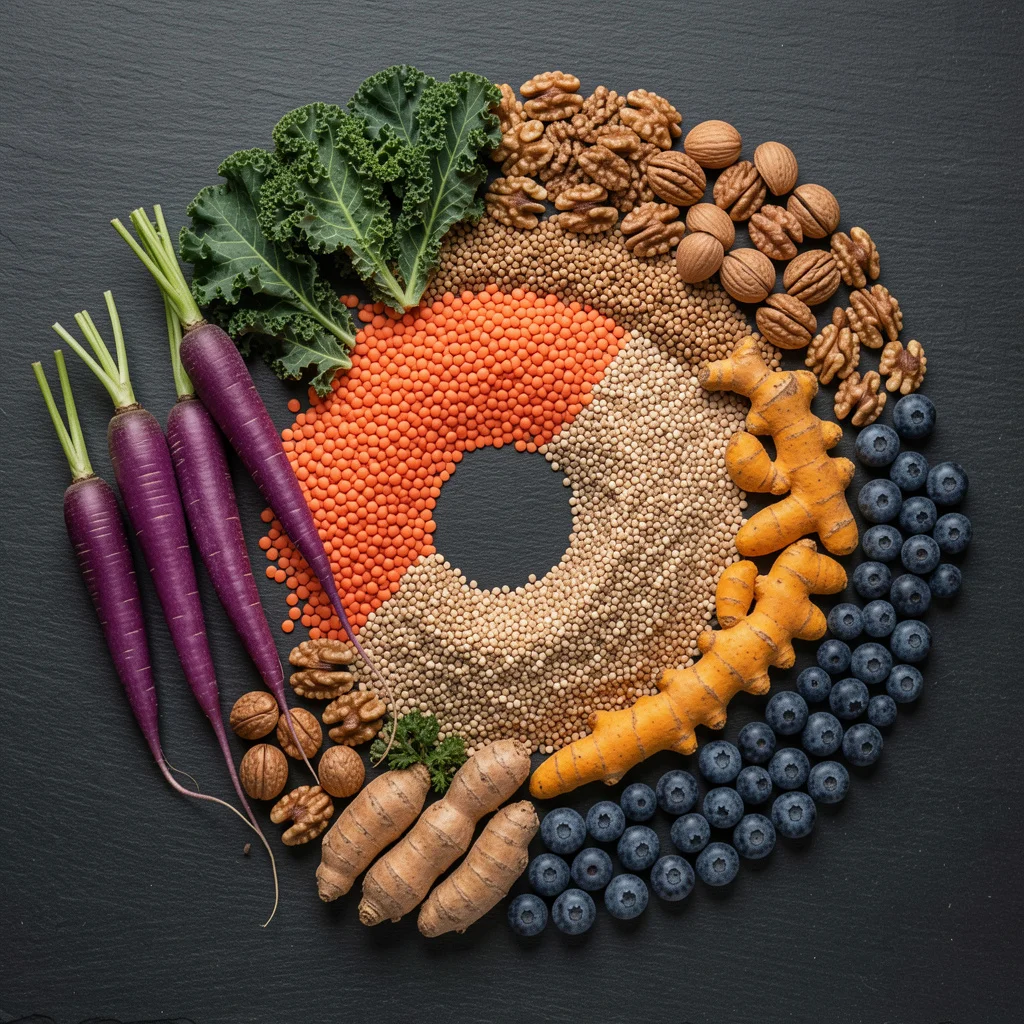
- Leafy green vegetables: Kale, spinach, collard greens, and broccoli
- Vegetable oils: Canola and soybean oil
- Herbs: Parsley and basil
- Green peas and asparagus
- Avocados and kiwifruit
Vitamin K2 (Menaquinones):
- Foods that have been fermented Sauerkraut, cheese, and natto (fermented soybeans).
- Egg yolks, liver, and dairy products are examples of animal products.
- Salmon, mackerel, and sardines are examples of fatty fish.
- Meat: Beef and chicken.
- Butter and fermented dairy products, including kefir.
- Dietary supplements
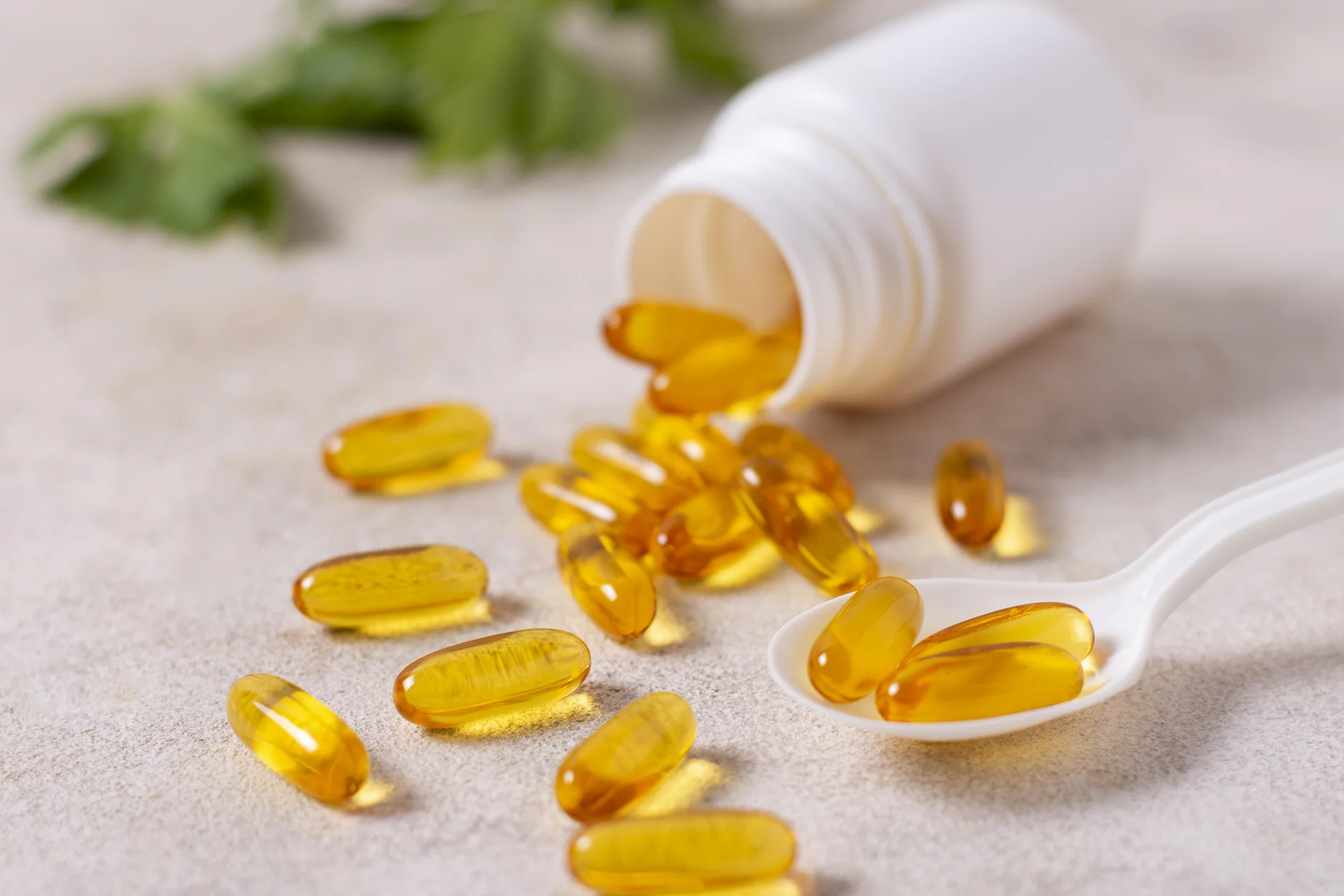
Most multivitamin/mineral supplements contain less than 75% of the daily value for vitamin K. Vitamin K alone or in combination with calcium, magnesium, and/or vitamin D is available in dietary supplements. These supplements have a wider vitamin K dose range than multivitamin/mineral supplements, with some providing 4,050 mcg or more.
Dietary supplements contain vitamin K1 as phylloquinone or phytonadione (a synthetic form) and vitamin K2 as MK-4 or MK-7. Although both types are well absorbed, however, MK-7 has a longer half-life than phytonadione.
Health risks and vitamin K deficiency
In healthy adults, vitamin K deficiency is uncommon due to its presence in a variety of foods and production by the gut microbiota. Nevertheless, certain demographics are at risk, such as:
- Newborns necessitate vitamin K supplementation due to their inadequate vitamin K stores at birth.
- Individuals with malabsorption problems (including cystic fibrosis, Crohn's disease, or celiac disease)
- Patients who are taking anticoagulants (warfarin inhibits vitamin K-dependent clotting factors, necessitating meticulous monitoring)
- Individuals with chronic liver disease (due to the liver's critical role in vitamin K metabolism)
- Patients who are elderly and have inadequate dietary intake
Symptoms of deficiency include an elevated risk of arterial calcification, weakened bones, easy bruising, and excessive bleeding. Severe deficiencies may induce spontaneous hemorrhages or gastrointestinal bleeding.
Recommended daily intake
The National Institutes of Health (NIH, 2023) have established the following adequate intake (AI) levels for vitamin K:
- 120 micrograms per day for men
- 90 micrograms per day for women
- 2 micrograms per day for infants aged 0-6 months
- 30 micrograms per day for children aged 1-3 years.
- 75 micrograms per day for adolescents aged 14-18.
A well-balanced diet is the best way for most people to adhere to these recommendations. However, when taken under medical supervision, supplements may be beneficial for people with malabsorption problems or limited dietary intake.
Vitamin K food and drug interactions
Conclusion
Beulens JW, et al., High dietary menaquinone intake is associated with reduced coronary calcification. (2009). https://doi.org/10.1016/j.atherosclerosis.2008.07.010
Booth SL, Roles for vitamin K beyond coagulation. (2009). https://doi.org/10.1146/annurev-nutr-080508-141217
Elder SJ, et al., Vitamin K contents of meat, dairy, and fast food in the US diet. (2006). https://doi.org/10.1021/jf052400h
Erdman Jr JW, Macdonald IA, and Zeisel SH, Present knowledge in nutrition. 2012: John Wiley & Sons. https://onlinelibrary.wiley.com/doi/book/10.1002/9781119946045
Geleijnse JM, et al., Dietary intake of menaquinone is associated with a reduced risk of coronary heart disease: the Rotterdam Study. (2004). https://doi.org/10.1093/jn/134.11.3100
Gundberg CM, Lian JB, and Booth SL, Vitamin K-dependent carboxylation of osteocalcin: friend or foe? (2012). https://doi.org/10.3945/an.112.001834
Harris W, Encyclopedia of dietary supplements. (2010). https://doi.org/10.1201/b13959
Health NIo. Vitamin K: Fact Sheet for Health Professionals. 2023 [cited 2025 February 22, 2025]; Available from: https://ods.od.nih.gov/factsheets/VitaminK-HealthProfessional/.
Intakes SCotSEoDR, et al., Dietary reference intakes for vitamin A, vitamin K, arsenic, boron, chromium, copper, iodine, iron, manganese, molybdenum, nickel, silicon, vanadium, and zinc. 2002: National Academies Press. https://www.ncbi.nlm.nih.gov/books/NBK222310/
Kearon C, et al., Antithrombotic therapy for venous thromboembolic disease: American College of Chest Physicians evidence-based clinical practice guidelines. (2008). https://doi.org/10.1378/chest.08-0658
L. Booth S, Vitamin K: food composition and dietary intakes. (2012). https://doi.org/10.3402/fnr.v56i0.5505
Rejnmark L, et al., No effect of vitamin K 1 intake on bone mineral density and fracture risk in perimenopausal women. (2006). https://doi.org/10.1007/s00198-005-0044-3
Saldanha LG, Dwyer JT, and Bailen RA, Modernization of the national institutes of health dietary supplement label database. (2021). https://doi.org/10.1016/j.jfca.2021.104058
Schurgers LJ and Vermeer C, Determination of phylloquinone and menaquinones in food: effect of food matrix on circulating vitamin K concentrations. (2001). https://doi.org/10.1159/000054147
Shearer MJ, Vitamin K deficiency bleeding (VKDB) in early infancy. (2009). https://doi.org/10.1016/j.blre.2008.06.001
Walther B, et al., Menaquinones, bacteria, and the food supply: the relevance of dairy and fermented food products to vitamin K requirements. (2013). https://doi.org/10.3945/an.113.003855
Yaegashi Y, et al., Association of hip fracture incidence and intake of calcium, magnesium, vitamin D, and vitamin K. (2008). https://doi.org/10.1007/s10654-008-9225-7