



Map of Health
Published: 2026-04-17 Updated: 2026-04-17
Editorial note
Map of Health content is prepared with an evidence-based approach. References are provided for transparency.
Medical disclaimer
This content is for informational purposes only and does not replace professional medical advice, diagnosis, or treatment. If you have an urgent medical concern, seek immediate care.
"“Anemia can often be improved naturally with the right nutritional choices.”"
What Foods Increase Blood? 15 Powerful Foods That Boost Hemoglobin Fast

What Is Anemia and Why Does It Occur?

Anemia is a condition characterized by low hemoglobin levels, leading to reduced oxygen transport in the body. Iron deficiency is the most common cause, but deficiencies in vitamin B12 and folic acid also play a major role. Modern lifestyle factors such as poor nutrition and chronic stress significantly increase the risk.

Anemia can weaken immunity, reduce cognitive performance, and increase cardiovascular strain. Early detection and proper nutrition are essential for effective management.

Why Are Blood-Boosting Foods Important?

Blood-boosting foods provide essential nutrients required for red blood cell production, including iron, vitamin B12, and folate. Deficiencies in these nutrients can lead to fatigue and anemia.

A balanced diet can naturally improve blood levels and overall energy. Including these foods regularly supports long-term health.

Iron-Rich Foods

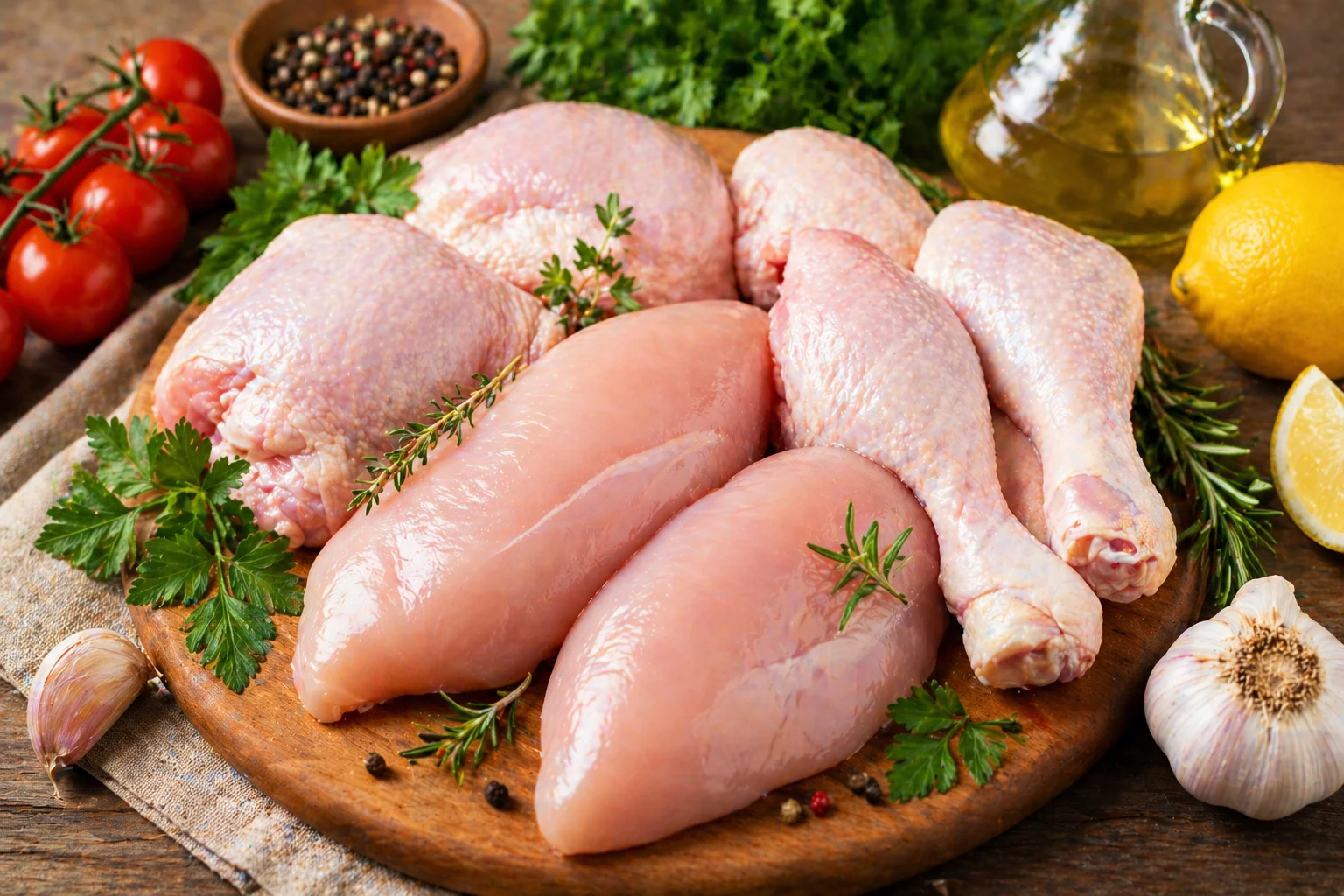
Iron is essential for hemoglobin production. Foods like red meat, liver, eggs, and leafy greens are rich sources of iron.

Iron deficiency is one of the most common nutritional deficiencies worldwide, making adequate intake crucial.

Vitamin B12 and Blood Production

Vitamin B12 is essential for red blood cell formation and nervous system health. Deficiency can lead to anemia and neurological issues.

Folate Deficiency and Effects

Folate is essential for DNA synthesis and cell division. Its deficiency can lead to anemia.

Top 15 Foods That Boost Blood Fast

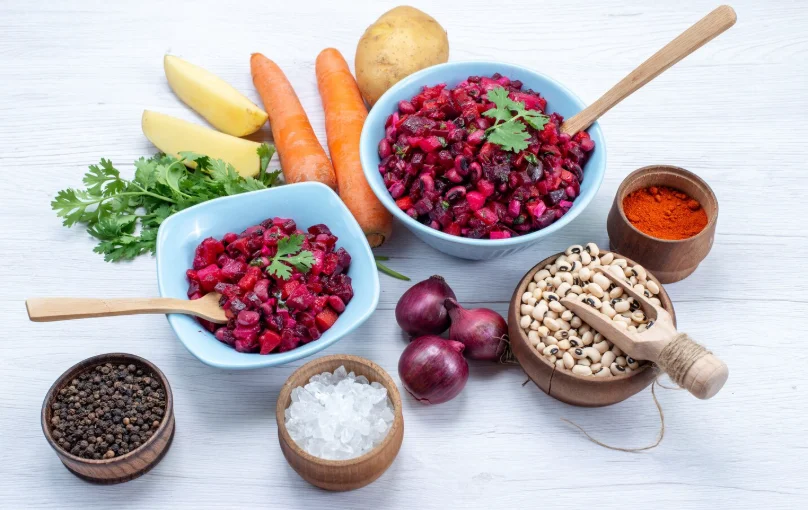
Foods like red meat, lentils, spinach, and molasses help boost blood quickly due to their nutrient content.

Plant vs Animal Sources

Animal-based iron is absorbed better than plant-based iron. Proper combinations improve absorption.

Diet Tips to Improve Blood Levels

A balanced diet rich in vitamins and minerals supports healthy blood levels.

How to Consume Blood-Boosting Foods

Proper timing and combinations improve nutrient absorption.

Conclusion: Prevent Anemia with Nutrition

Proper nutrition is key to preventing anemia and maintaining health.

FAQ

Foods rich in iron, vitamin B12, and folate are the fastest blood boosters. Red meat, liver, and eggs are especially effective due to high iron bioavailability. Plant-based sources like molasses, spinach, and lentils also help when consumed…

MS does not directly cause sleep, but fatigue is a very common symptom and can lead to excessive daytime sleepiness.

Foods such as red meat, poultry, fish, eggs, lentils, chickpeas, spinach, and beetroot support blood production. Dried fruits like raisins and apricots, as well as molasses, can also help boost blood levels due to their nutrient content.

The 10-3-2-1-0 rule is a sleep routine guideline: no caffeine 10 hours before sleep, no food 3 hours before, no work 2 hours before, no screens 1 hour before, and zero snoozing the alarm.

Consuming iron- and B12-rich foods such as red meat, liver, eggs, and leafy greens is the fastest natural way to improve anemia. Pairing these with vitamin C enhances iron absorption.

For uninterrupted sleep, maintain a regular sleep schedule, reduce screen time, avoid caffeine, and keep the room dark and quiet.

Yes, severe anemia can lead to heart rhythm issues. When oxygen levels are low, the heart compensates by working harder, which may cause palpitations or irregular rhythms.

Yes, diabetes can cause insomnia due to blood sugar fluctuations, night sweating, and frequent urination.

Proper hydration, omega-3 fatty acids, and regular movement improve blood flow. Foods like salmon, walnuts, and flaxseed support circulation.

Initial MS symptoms often include vision problems, numbness, tingling, and muscle weakness.

Dried fruits such as raisins, apricots, and mulberries contain more iron compared to fresh fruits and can support blood levels.

Insomnia at night may indicate stress, anxiety, depression, thyroid disorders, or neurological conditions.

Nuts like almonds, hazelnuts, and pumpkin seeds support blood production due to their mineral content.

MS most commonly affects the brain, spinal cord, and optic nerves.

Red meat and liver raise iron levels the fastest due to high absorption rates. Vitamin C enhances this effect.

Neurological conditions such as Parkinson’s, Alzheimer’s, and MS can cause sleep disorders and insomnia.

Anemia is commonly caused by deficiencies in iron, vitamin B12, or folate. Chronic diseases and poor nutrition can also contribute.

The first MS attack may appear as sudden vision loss, double vision, numbness, or weakness in limbs.

Regular exercise, hydration, and omega-3 rich foods help improve circulation.

MS often starts with symptoms like vision issues, numbness, balance problems, and fatigue.

An MS relapse may include sudden vision loss, muscle weakness, speech problems, or loss of balance due to nerve inflammation.

An MS attack is recognized by new neurological symptoms or worsening of existing symptoms lasting more than 24 hours.