Published: 2026-01-12 Updated: 2026-01-12
Assoc. Prof. Muhammet Emin Çam
Rector Advisor, Vice Dean, and Faculty Member - Istanbul Kent University, Faculty of Pharmacy, Departmant of Pharmocology
Visiting Researcher&Lecturer -  University College London, Mechanical Engineering and Faculty of Medicine, UK
Visiting Lecturer - University of Aveiro, Faculty of Biomedical Engineering, Portugal
Editorial note
Map of Health content is prepared with an evidence-based approach. References are provided for transparency.
Medical disclaimer
This content is for informational purposes only and does not replace professional medical advice, diagnosis, or treatment. If you have an urgent medical concern, seek immediate care.
"Iron deficiency is not just fatigue—it can impact focus, immunity, and performance. With the right foods and absorption strategies, iron intake can be optimized."
Iron-Rich Diet: 25 High-Iron Foods That Boost Energy Fast (Absorption Tips + Daily Plan)

What Is Iron and Why Is It Essential for the Body?

Iron is an essential mineral required for oxygen transport and cellular energy production. It is a core component of hemoglobin, enabling oxygen delivery from the lungs to body tissues. When iron levels are insufficient, cells become deprived of oxygen, leading to chronic fatigue, dizziness, shortness of breath, and reduced cognitive performance.

Iron also plays a critical role in mitochondrial energy generation, immune cell proliferation, and neurotransmitter synthesis. Therefore, iron deficiency is not only linked to anemia but also to weakened immunity, hair loss, and impaired concentration.

Due to modern dietary patterns and multiple absorption inhibitors, iron deficiency has become a widespread public health concern, particularly among women and individuals following plant-based diets.

What Is the Difference Between Heme and Non-Heme Iron?

Dietary iron exists in two main forms: heme iron and non-heme iron. Heme iron is found in animal-based foods such as red meat, organ meats, and fish, and it is absorbed efficiently by the intestines, typically at a rate of 15–35%.

Non-heme iron is present in plant-based foods like legumes, leafy greens, and whole grains. Its absorption is more variable and usually ranges from 2–10%, depending on dietary context.

For vegetarians and vegans, iron intake must be planned not only in terms of quantity but also absorption strategies. Vitamin C plays a crucial role in enhancing non-heme iron uptake.

Foods and Combinations That Increase Iron Absorption

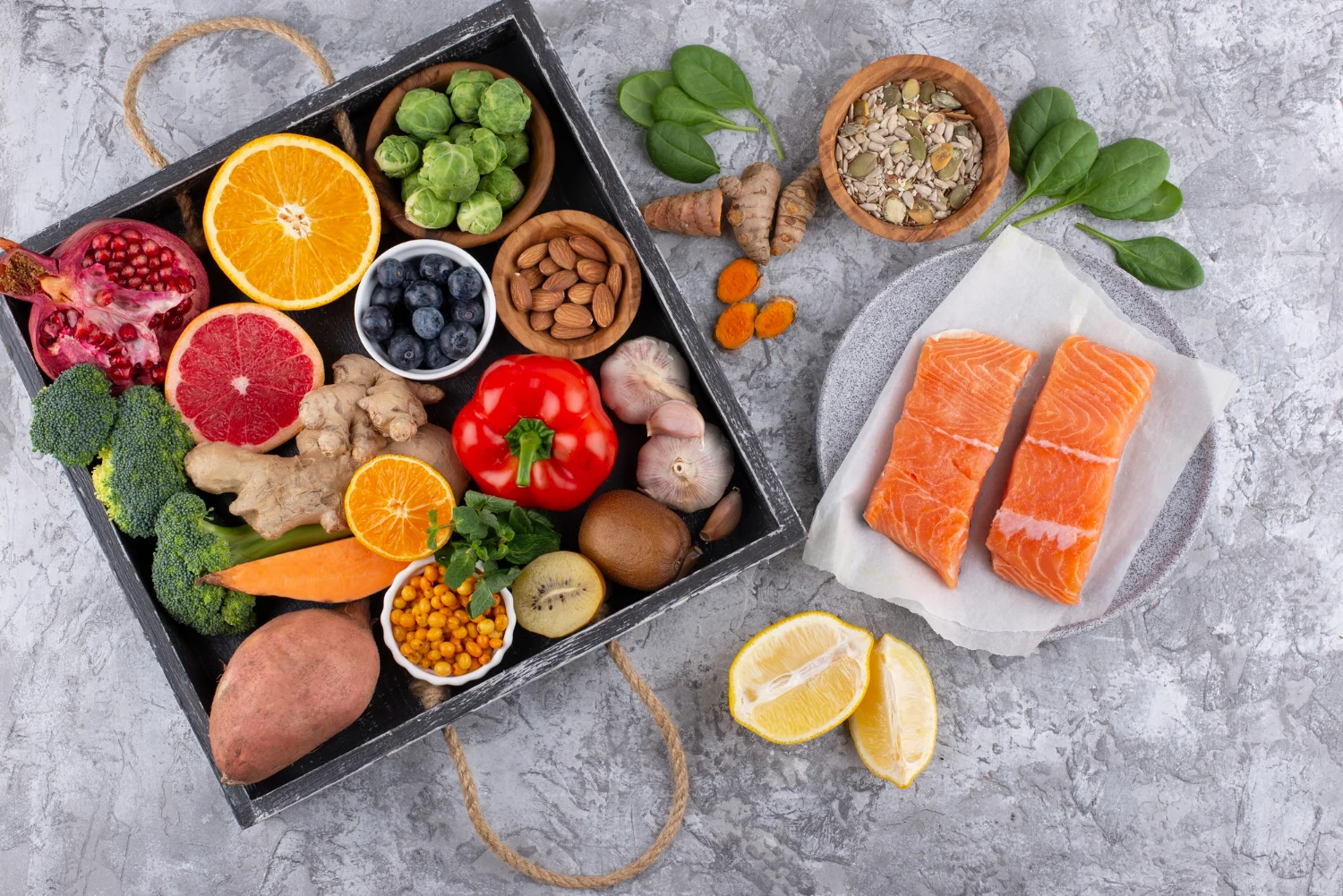
The most effective way to enhance iron absorption is through strategic food combinations. Vitamin C can increase non-heme iron absorption by 2–4 times. Citrus fruits, kiwi, strawberries, and bell peppers are powerful enhancers.

Additionally, consuming heme iron sources such as meat, fish, or poultry in the same meal improves the absorption of plant-based iron—a phenomenon known as the “meat factor.”

Meal timing also matters. Avoiding tea and coffee during iron-rich meals significantly improves iron uptake.

What Factors Reduce Iron Absorption?

One of the most common reasons for iron deficiency despite adequate intake is the presence of absorption inhibitors. Tannins in tea and coffee can reduce iron absorption by up to 60%. High doses of calcium may also interfere with iron uptake.

Phytates found in whole grains and legumes bind iron and reduce its bioavailability. However, proper preparation methods such as soaking and fermentation can mitigate this effect.

Therefore, iron-rich nutrition depends not only on what you eat, but also how and with what you consume it.

Top Animal-Based Foods High in Iron

Red meat, liver, and organ meats are among the richest and most bioavailable sources of iron. Beef liver, in particular, can provide a substantial portion of daily iron needs in small servings.

Fish and seafood also offer heme iron with the added benefit of easier digestion. Consuming animal-based iron sources 2–3 times per week helps maintain healthy iron stores.

Portion control and cooking methods should be considered to balance iron intake with cardiovascular health.

Plant-Based Iron Sources and Vegetarian Strategies

Lentils, chickpeas, beans, spinach, and pumpkin seeds are rich plant-based iron sources. However, their absorption must be supported through strategic food pairing.

Vegetarians may require 30–80% more dietary iron due to lower absorption rates. Pairing with vitamin C and using appropriate cooking methods are therefore essential.

Regular ferritin monitoring is a preventive strategy for individuals following plant-based diets.

What Are the Symptoms of Iron Deficiency?

Iron deficiency most commonly presents with fatigue and weakness, but symptoms extend beyond that. Dizziness, hair loss, brittle nails, and cold sensitivity are frequent signs.

Cognitively, individuals may experience poor concentration and learning difficulties. Immune function may weaken, increasing susceptibility to infections.

Ferritin levels often decline before symptoms become evident. Early detection helps prevent long-term health consequences.

What Is the Daily Iron Requirement?

Daily iron requirements vary by age and sex. Adult men typically need around 8 mg per day, while menstruating women require approximately 18 mg. During pregnancy, needs may increase to 27 mg.

Athletes and individuals with high physical activity levels may have increased iron demands. Chronic conditions can also affect iron metabolism.

Therefore, iron requirements should be assessed based on individual factors rather than a single universal value.

Sample Daily Iron-Rich Meal Plan

Breakfast may include eggs, leafy greens, and vitamin C–rich vegetables. Lunch can feature lentils or red meat, while dinner may consist of fish paired with vegetables.

Snacks such as pumpkin seeds or dried fruits provide additional iron. Tea and coffee should be consumed at least 1–2 hours away from meals.

This balanced approach optimizes both iron intake and absorption.

What Does an Iron-Rich Diet Teach Us?

An iron-rich diet is not merely about correcting a deficiency. It is a foundational strategy for sustaining energy, immunity, and cognitive performance.

Scientific evidence shows that proper food combinations can significantly enhance iron absorption, potentially reducing reliance on supplementation.

Iron management exemplifies how informed nutrition can profoundly influence long-term health outcomes.


Assoc. Prof. Muhammet Emin Çam
Rector Advisor, Vice Dean, and Faculty Member - Istanbul Kent University, Faculty of Pharmacy, Departmant of Pharmocology
Visiting Researcher&Lecturer -  University College London, Mechanical Engineering and Faculty of Medicine, UK
Visiting Lecturer - University of Aveiro, Faculty of Biomedical Engineering, Portugal

FAQ

An iron-rich diet focuses on getting enough heme iron (animal-based) and non-heme iron (plant-based) while using smart absorption strategies. The goal is not just “eating more iron,” but improving bioavailability: pairing iron with vitamin …

Top iron sources fall into two categories. Heme iron (better absorbed): liver and organ meats, red meat, and certain fish (e.g., sardines, tuna). Non-heme iron (needs absorption strategy): lentils, chickpeas, beans, pumpkin seeds, sesame/ta…

If anemia is suspected, diagnosis matters first. In iron-deficiency anemia, the goal is to increase iron intake and improve absorption. Heme sources like red meat, fish, and eggs are practical because they absorb better. Plant sources—lenti…

With iron deficiency, the goal is consistent daily intake from heme sources (meat/fish) or well-planned plant sources (legumes, seeds, leafy greens). A practical framework: include 1–2 iron sources daily, pair with vitamin C, and separate t…

The “fastest” dietary impact usually comes from heme iron sources when absorption strategy is correct. Liver, red meat, and certain fish are strong heme sources. Still, lab improvements generally take weeks—no single meal creates a miracle.…

Vegetarian diets rely mainly on non-heme iron, so absorption strategy is key. Prioritize legumes (lentils, chickpeas), tofu/tempeh, pumpkin seeds, sesame/tahini, whole grains, and leafy greens. Pair meals with vitamin C (bell pepper, citrus…

Top vegan sources include lentils, chickpeas, beans, tofu/tempeh, pumpkin seeds, sesame/tahini, quinoa, oats, spinach, and iron-fortified cereals. Pair with vitamin C to maximize absorption. Tea/coffee and high-calcium items taken with the …

The most effective strategy is pairing iron sources with vitamin C and separating absorption inhibitors from iron-rich meals. Practically, add lemon salad, bell peppers, kiwi, or oranges to iron-containing meals. Keep tea/coffee 1–2 hours a…

Yes. Polyphenols/tannins in tea and coffee can significantly reduce non-heme iron absorption. This matters more for people with low ferritin or those taking iron. A practical fix is to keep tea/coffee at least 1–2 hours away from iron-rich …

Calcium—especially in large doses taken at the same time—can reduce iron absorption. This is more noticeable when high-calcium foods or supplements are consumed with iron-dense meals. A practical solution is to spread calcium intake through…

Ferritin reflects iron stores. Even if hemoglobin is normal, low ferritin can indicate depleted reserves and may be linked to fatigue, hair shedding, and reduced performance. Looking only at hemoglobin can miss early deficiency. Tracking fe…

Common symptoms include fatigue, low stamina, dizziness, shortness of breath, palpitations, cold sensitivity, pale skin, hair loss, and brittle nails. Some people also report restless legs, poor concentration, and more frequent infections. …

An iron-focused breakfast has two goals: add an iron source and enhance absorption. Examples: eggs + greens + bell pepper/lemon; tahini-molasses + orange; oats + dried apricots + berries; iron-fortified cereal + vitamin C–rich fruit. Delayi…

A daily plan should include an iron source at each main meal plus at least one vitamin C partner. Lunch: lentils/chickpeas + lemon salad. Dinner: fish or red meat + vitamin C–rich vegetables. Snacks: pumpkin seeds, dried apricots, or tahini…

The priority depends on diagnosis and severity. Mild depletion may respond well to dietary changes. But very low ferritin or iron-deficiency anemia can be too slow to correct with food alone and may require clinician-guided supplementation.…

Iron supplements often absorb best on an empty stomach, but taking them with food can improve tolerance if you have stomach sensitivity. Pairing with vitamin C may enhance absorption. Avoid taking iron with tea/coffee, calcium supplements, …

Iron needs rise during pregnancy and stores can deplete quickly. Include consistent iron sources (meat/fish/legumes) and support absorption with vitamin C. Keep tea/coffee and large calcium loads away from main meals. Many pregnant individu…

Yes. Iron-fortified cereals and grain products can boost daily intake, especially for plant-based eaters. But absorption still depends on vitamin C pairing and meal timing. Also evaluate sugar and processing levels. Fortified foods are a to…

A low-iron diet is typically used for specific clinical scenarios involving iron overload and is not a standard recommendation for the general public. In such cases, clinicians may limit high-iron foods, avoid aggressive absorption boosters…

Fruits are generally not the densest iron sources, but dried fruits (dried apricots, raisins, figs) can contribute meaningful amounts. More importantly, many fruits provide vitamin C, which enhances non-heme iron absorption. For iron goals,…

Foods with the highest iron density often include organ meats (especially liver) and certain seafood. These provide heme iron, which is absorbed more efficiently than plant-based iron. However, “highest” should be interpreted with portion s…

“Quickly” still has biological limits—meaningful lab improvements usually take weeks. The strongest food-based strategy is consistent heme iron intake (red meat/fish), pairing meals with vitamin C (bell peppers, lemon, kiwi), and keeping te…

Getting 100% of daily iron depends on age, sex, and pregnancy status. A practical method is: include 1–2 iron sources daily, add vitamin C, and manage inhibitors. Example: iron-fortified cereal + berries at breakfast, lentils + lemon salad …

Iron needs rise during pregnancy, and low iron should be monitored for both mother and baby. Prioritize consistent iron sources (red meat, eggs, legumes, tahini, pumpkin seeds) and pair them with vitamin C (citrus, bell peppers). Keep tea/c…

Two eggs are nutritious, but for most people they are not enough to meet daily iron needs on their own. Eggs do contain iron, yet the amount is modest, so additional sources are usually required. If iron is a priority, combine eggs with oth…

There are few truly “iron-full” drinks because iron is generally better managed through solid foods. Still, some options can support intake: molasses-based drinks or smoothies (watch sugar load), dried-fruit smoothies paired with vitamin C,…

Anemia has multiple causes, so diagnosis matters first. In iron-deficiency anemia, focus on increasing iron intake and absorption: red meat, fish, eggs; plant sources like lentils, chickpeas, beans, tahini, pumpkin seeds, spinach, and forti…

The “worst” low-iron symptoms often involve functional impairment and cardiopulmonary strain: shortness of breath with minimal effort, palpitations even at rest, profound fatigue, near-fainting, chest tightness, and major performance declin…

A practical top-10 list includes: liver (organ meats), red meat, seafood such as sardines or mussels, lentils, chickpeas, beans, pumpkin seeds, sesame/tahini, spinach, and iron-fortified breakfast cereals. Animal sources provide heme iron a…

Iron deficiency typically progresses in three stages: (1) Depleted iron stores—ferritin drops while hemoglobin may remain normal. (2) Functional deficiency—iron delivery and enzyme-dependent processes are affected and symptoms may begin. (3…

Fruits are generally not the densest iron sources, but dried fruits (dried apricots, raisins, figs) can contain more iron than fresh fruit. Still, the best fruit strategy is not relying on fruit as the main iron source, but using vitamin C–…

Tea and coffee (polyphenols/tannins) can reduce non-heme iron absorption. Large calcium loads taken with the same meal may also interfere. Phytates in whole grains and legumes can bind iron, though soaking/sprouting/fermentation can reduce …

First confirm deficiency with labs (ferritin/hemoglobin). For faster dietary impact: include heme iron sources (red meat/fish) several times weekly, pair plant sources with vitamin C, keep tea/coffee away from meals, and stay consistent. If…

A practical top-5 list: liver (organ meat), red meat, lentils, pumpkin seeds, and tahini/sesame. Animal options provide heme iron and absorb better. For plant options, add vitamin C (lemon, bell peppers, kiwi) to improve absorption. This sh…

A practical method is to plan 2–3 daily “iron touches”: (1) a main meal with heme iron (meat/fish) or a strong plant combo (legumes + seeds), (2) add vitamin C, and (3) keep tea/coffee away from meals. Example day: fortified cereal + fruit …

Avocado contains iron, but it is usually not considered a top “high-iron” food. Its strengths are healthy fats, fiber, and overall nutrient density. If iron is the goal, use avocado as a supportive meal component alongside primary iron sour…

Eggs contain iron, but they are not typically classified as a top high-iron food on their own. Still, they are practical: accessible, high-quality protein, and a solid breakfast base. Better results come from pairing eggs with other iron so…

Raising hemoglobin depends on the cause. If iron deficiency is the driver, increase iron intake and absorption; if B12 or folate deficiency is involved, the approach changes. Nutritionally, use heme sources, legumes, seeds, and fortified fo…

Timing depends on baseline ferritin/hemoglobin, the cause of loss, and the strategy used. With dietary changes, early improvement signals may appear within a few weeks, while rebuilding iron stores (ferritin) can take longer. Supplementatio…

Common symptoms include fatigue, low stamina, dizziness, paleness, shortness of breath, palpitations, hair loss, brittle nails, and cold sensitivity. Some people also experience restless legs, disrupted sleep, and concentration difficulties…

The “richest” iron sources are often heme-iron foods such as liver and certain shellfish. They can deliver high iron even in small portions. For long-term health, balanced intake matters; frequent organ meat consumption may not suit everyon…

With iron deficiency, plan 1–2 iron sources daily and support absorption with vitamin C. Heme iron (meat/fish) is absorbed more efficiently. For plant-based intake, prioritize lentils, chickpeas, beans, pumpkin seeds, tahini, and leafy gree…

With low iron, timing matters more than strict “bans.” Tea/coffee with iron-rich meals can reduce absorption—separate by 1–2 hours. Avoid stacking large calcium portions (milk/yogurt/cheese) with your main iron-focused meal. Whole grains an…

Fruits matter more as vitamin C boosters than as primary iron sources. Therefore, the “best” fruits for iron are often vitamin C–rich options like oranges, kiwi, and strawberries because they enhance non-heme iron absorption. If focusing on…

Mental symptoms of low iron can include poor focus, forgetfulness, cognitive fatigue, reduced motivation, and “brain fog.” Some people also report irritability, restlessness, and fragmented sleep. These symptoms are not exclusive to iron—B1…