


Rector Advisor, Vice Dean, and Faculty Member - Istanbul Kent University, Faculty of Pharmacy, Departmant of Pharmocology
Visiting Researcher&Lecturer - University College London, Mechanical Engineering and Faculty of Medicine, UK
Visiting Lecturer - University of Aveiro, Faculty of Biomedical Engineering, Portugal
Visiting Researcher&Lecturer - University College London, Mechanical Engineering and Faculty of Medicine, UK
Visiting Lecturer - University of Aveiro, Faculty of Biomedical Engineering, Portugal
Editorial note
Map of Health content is prepared with an evidence-based approach. References are provided for transparency.
Medical disclaimer
This content is for informational purposes only and does not replace professional medical advice, diagnosis, or treatment. If you have an urgent medical concern, seek immediate care.
"Resveratrol is recommended at 200–500 mg/day for antioxidant support, inflammation reduction, and post-exercise recovery, typically taken in the morning or after exercise."

WHAT YOU NEED TO KNOW ABOUT RESVERATROL-RESVERATROL:USES,BENEFITS,EFFECT AND DOSAGE
What You Need to Know About Resveratrol
| Topic | Answer |
| How long can it be used? | Recommended for 3–6 months of regular use |
| Which form should be preferred? | Trans-resveratrol has higher bioavailability |
| Can it be combined with other supplements? | Can be combined with vitamin C, quercetin, and pterostilbene |
| Are there any side effects? | High doses may cause stomach discomfort and headache |
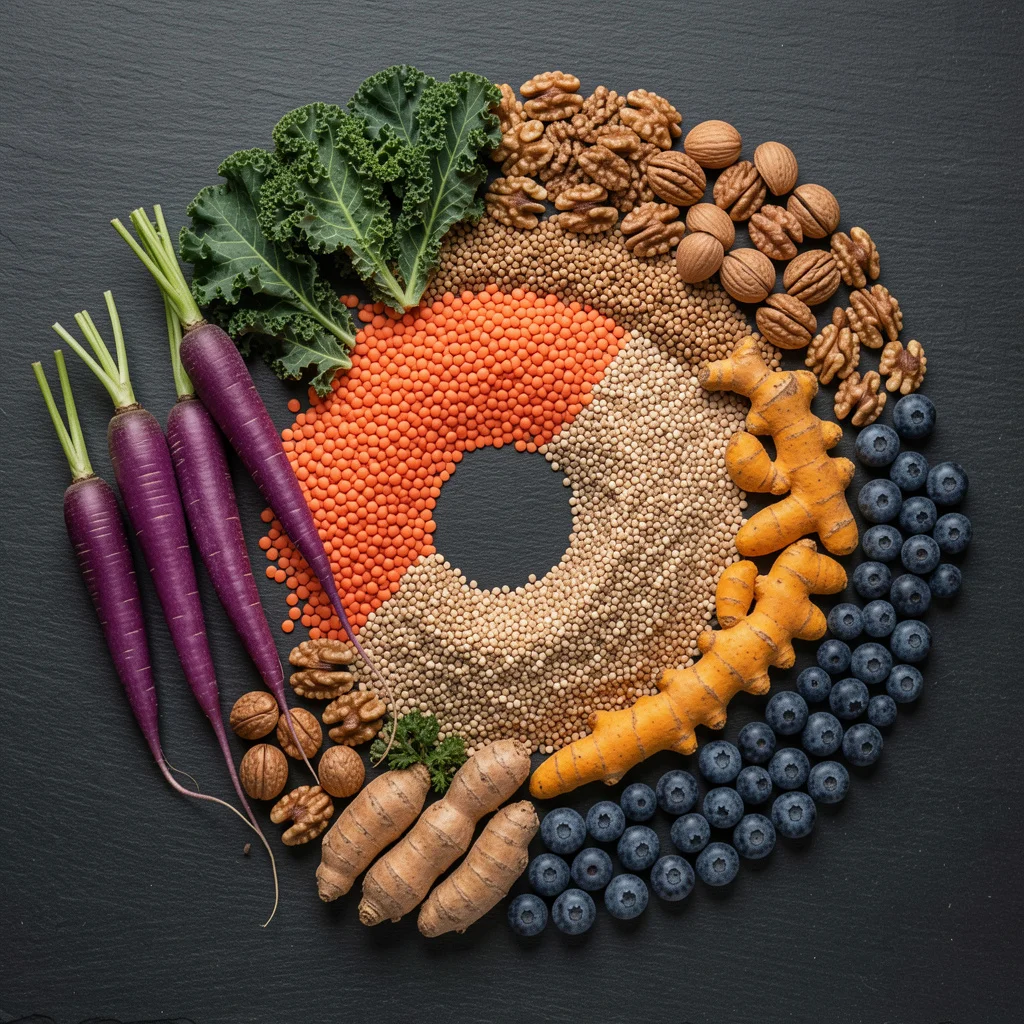
| What are its natural sources? | Red grape skin, blueberries, peanuts |
| In which situations is it used? | Antioxidant support, anti-aging, cardiovascular protection, athlete support |
| Who should use it as a supplement? | Those with inflammation, insulin resistance, cognitive decline, or muscle damage |
| Average effective daily dose | 100–500 mg/day (according to clinical studies) |
| What time of day should it be taken? | In the morning or at noon |
| Should it be taken on an empty stomach? | Better taken with food to avoid stomach upset |
Resveratrol Uses, Benefits, Effects & Dosage
| Usage purpose | Effect | Dosage (Daily) | Timing |
| Reduce inflammation | Reduces muscle inflammation by lowering cytokine levels | 200–500 mg | Within the first hour post-workout |
| Increase insulin sensitivity | Optimizes glucose utilization | 200–500 mg | After workout or in the morning |
| Support fat oxidation | Supports fat burning during exercise | 200–500 mg | In the morning or before workout |
| Enhance cardiovascular endurance | Increases oxygen capacity by improving vasodilation | 200–500 mg | Before workout |
| Antioxidant support | Cleans free radicals, protects cells | 200–500 mg | After workout |
| Post-exercise recovery | May accelerate the muscle repair process | 200–500 mg | Immediately after workout |
| Muscle damage reduction | Reduces soreness after eccentric exercise | 200–500 mg | Within 30 minutes post-exercise |
| Support mitochondrial function | Supports intracellular energy production | 200–500 mg | In the morning on empty stomach or with meal |
Assoc. Prof. Muhammet Emin Çam
Rector Advisor, Vice Dean, and Faculty Member - Istanbul Kent University, Faculty of Pharmacy, Departmant of Pharmocology
Visiting Researcher&Lecturer - University College London, Mechanical Engineering and Faculty of Medicine, UK
Visiting Lecturer - University of Aveiro, Faculty of Biomedical Engineering, Portugal
Visiting Researcher&Lecturer - University College London, Mechanical Engineering and Faculty of Medicine, UK
Visiting Lecturer - University of Aveiro, Faculty of Biomedical Engineering, Portugal