




Transdermal patch
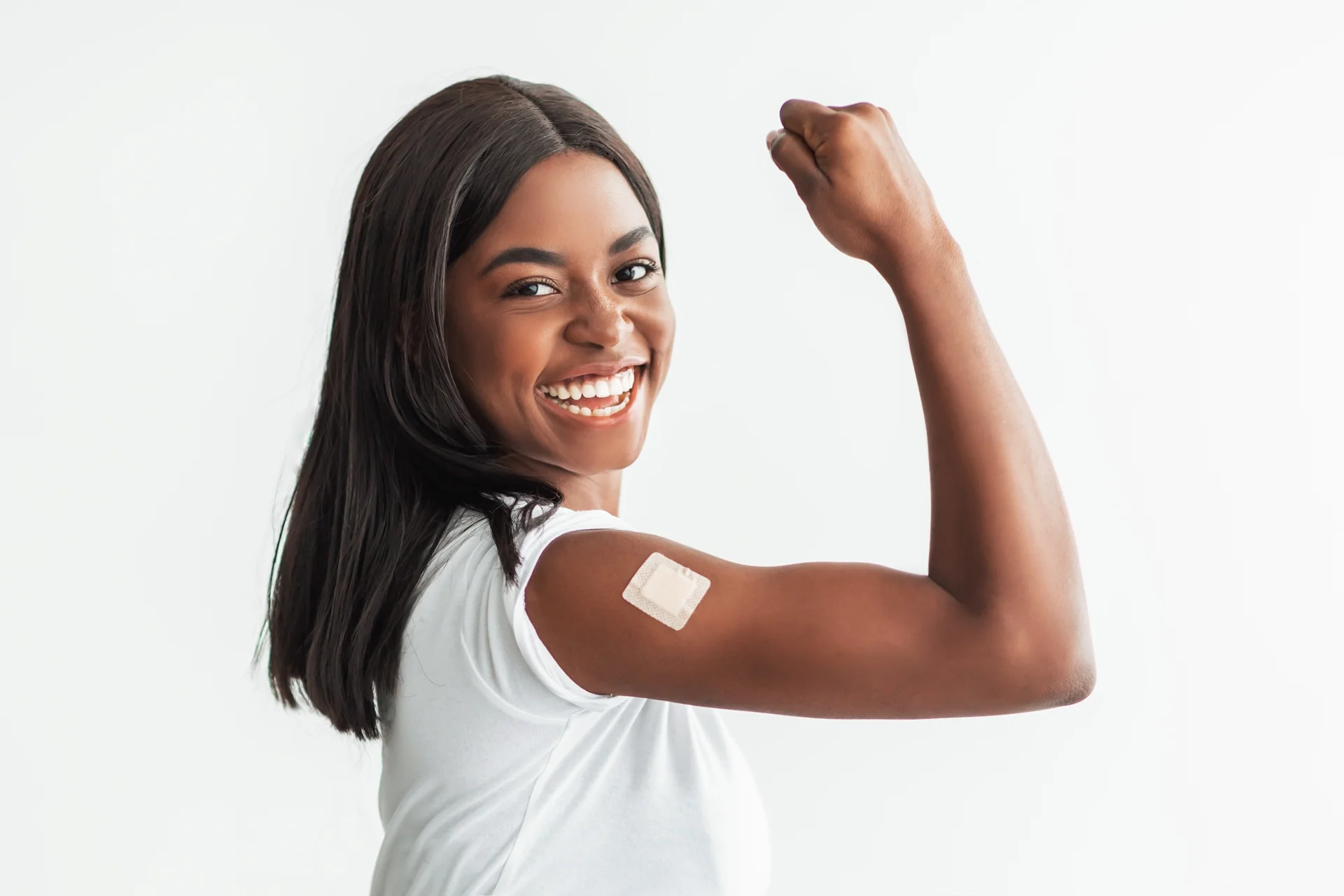
The skin is the largest organ in the human body by mass, occupying an area of 1.5 to 2.0 m2 in adults. Transdermal is the delivery of a drug through the skin in a form suitable for absorption into the bloodstream. The use of therapeutics transdermally to treat superficial ailments or manage systemic diseases dates back to the earliest human medical records. For example, using ointments, pomades, elixirs, and even patches composed of plant, animal, or mineral extracts was already popular in ancient Egyptian and Babylonian medicine (c. 3000 BCE). However, the routine use of transdermal delivery systems became common in the 20th century when technologies were developed that allowed precise and reproducible application through the skin for systemic effects.
Traditional drug delivery systems, including oral and parenteral administration, suffer from hepatic first-pass metabolism, gastrointestinal degradation, and poor controllability of drug biodistribution. Transdermal drug delivery is an alternative method of distributing drugs through the skin layer. The drug is transported through the skin into the bloodstream and circulates systemically throughout the body before reaching the target area. Transdermal drug delivery has several advantages over other routes of administration. These advantages include delivering sustained doses of medication over a long period, bypassing the gastrointestinal tract, and avoiding first-pass metabolism in the liver. Other routes of administration, such as intravenous, can cause pain and increase the risk of infection. However, the oral route is sometimes ineffective, and the inhaled method makes it difficult to control the dose. Given its advantages over other routes, transdermal delivery is often used to deliver medications for smoking cessation, chronic pain, motion sickness, and hormone replacement therapy.
Transdermal patches in vaccination
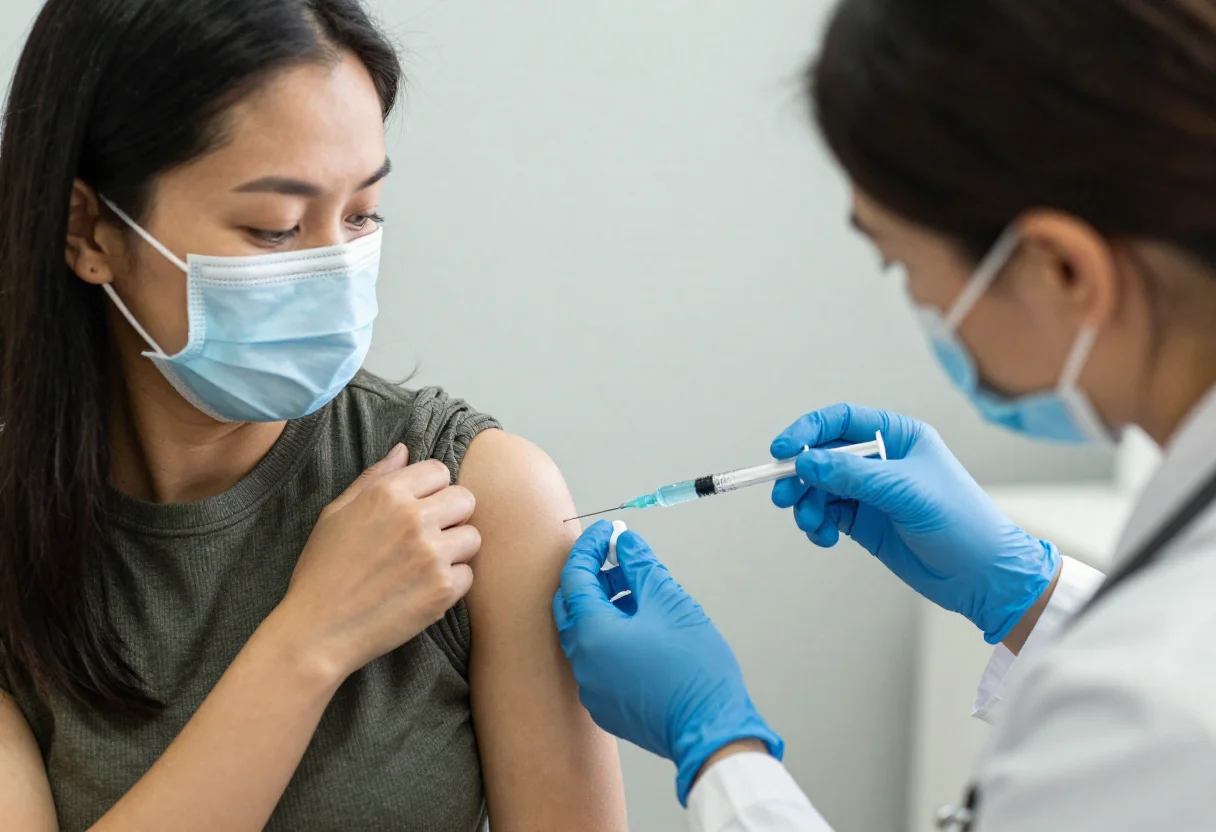
Researchers have developed transdermal patches that can deliver vaccines through the skin and offer a more convenient and less painful alternative to injections. A good example is the microneedle-based smallpox vaccine patch. When this vaccine patch was applied to mice, neutralizing antibodies were induced 3 weeks after vaccination, and levels were maintained for 12 weeks, suggesting that the transdermal patch could serve as an alternative delivery system for vaccination and protection.
Another research group has designed a microneedle patch for the influenza vaccine that targets skin antigen-presenting cells. The microneedles are created using a biocompatible polymer that encapsulates an inactivated influenza virus vaccine so that it can be inserted into the skin and dissolved within minutes. The patch induced strong antibody and cell-mediated immune responses in mice that provided complete protection against a lethal challenge. The results provide a new technique for simpler and safer vaccination with improved immunogenicity using the transdermal patch, potentially enabling increased vaccination coverage.
Transdermal patches in gene therapy
Transdermal insulin delivery patches
Transdermal patches in cardiovascular disease
Some clinical problems in heart failure patients impair drug absorption and thus reduce its potential benefit. Therefore, transdermal patch delivery systems may provide a drug delivery solution. For example, propranolol is a nonselective beta-adrenergic blocker. When administered orally, hepatic first-pass metabolism is significantly altered, and its bioavailability is only 23%. The transdermal propranolol patch, on the other hand, has a higher bioavailability of 74.8%.
Bisono® Tape is a transdermal patch containing bisoprolol as the active ingredient to manage aortic dissection, premature ventricular contraction, orthostatic hypotension due to heart failure, and atrial fibrillation.
Another antihypertensive drug that uses transdermal patch delivery is clonidine. The transdermal clonidine patch was introduced in 1983 and approved by the FDA in 1984.
Nitroglycerin is another drug worth mentioning in cardiovascular therapy. The first transdermal nitroglycerin patch was developed in 1985.
Transdermal patches for hormonal deficiencies and birth control
Transdermal patches for central nervous system disorders
There are advantages to developing transdermal drug delivery systems for drugs related to the central nervous system. First, it provides sustained therapeutic dosage at plasma levels. Second, the transdermal drug delivery system has demonstrated a favorable pharmacological profile and bioavailability. Third, it is well tolerated by patients, thus reducing systemic side effects.
Rotigotine is currently included in transdermal patches for the treatment of Parkinson's disease. Another drug used to treat Parkinson's disease is selegiline (trade name Emsam). The duration of action and efficacy of the transdermal selegiline patch is greater than those of the classical drug.
There are three drugs for the treatment of Alzheimer's disease: donepezil, galantamine, and rivastigmine. Studies with transdermal patches of these drugs have shown positive results in terms of treatment. Rivastigmine was launched in patch form under the brand name Exelon in 2007.
Transdermal patches for tobacco addiction
Conclusions and future challenges
Wong WF, et al. Recent advancement of medical patch for transdermal drug delivery. Medicina (Kaunas). (2023).
Pastore MN, et al. Transdermal patches: history, development and pharmacology. Br J Pharmacol. (2015).
Thirunavukkarasu A, et al. Transdermal drug delivery systems for the effective management of type 2 diabetes mellitus: A review. Diabetes Res. Clin. Pract. (2022).
Al Hanbali OA, et al. Transdermal patches: Design and current approaches to painless drug delivery. Acta Pharm. (2019).
Musselman M, et al. Asenapine: An atypical antipsychotic with atypical formulations. Ther. Adv. Psychopharmacol. (2021).
Sabbagh F, Kim BS. Recent advances in polymeric transdermal drug delivery systems. J Control Release. (2022).
He J, et al. Wearable patches for transdermal drug delivery. Acta Pharm Sin B. (2023).
Amjadi M, et al. Recent advances in wearable transdermal delivery systems. Adv Mater. (2018).
Bird D, Ravindra NM. Transdermal drug delivery and patches—an overview. Med Devices Sens. (2020).