







Visiting Researcher&Lecturer - University College London, Mechanical Engineering and Faculty of Medicine, UK
Visiting Lecturer - University of Aveiro, Faculty of Biomedical Engineering, Portugal
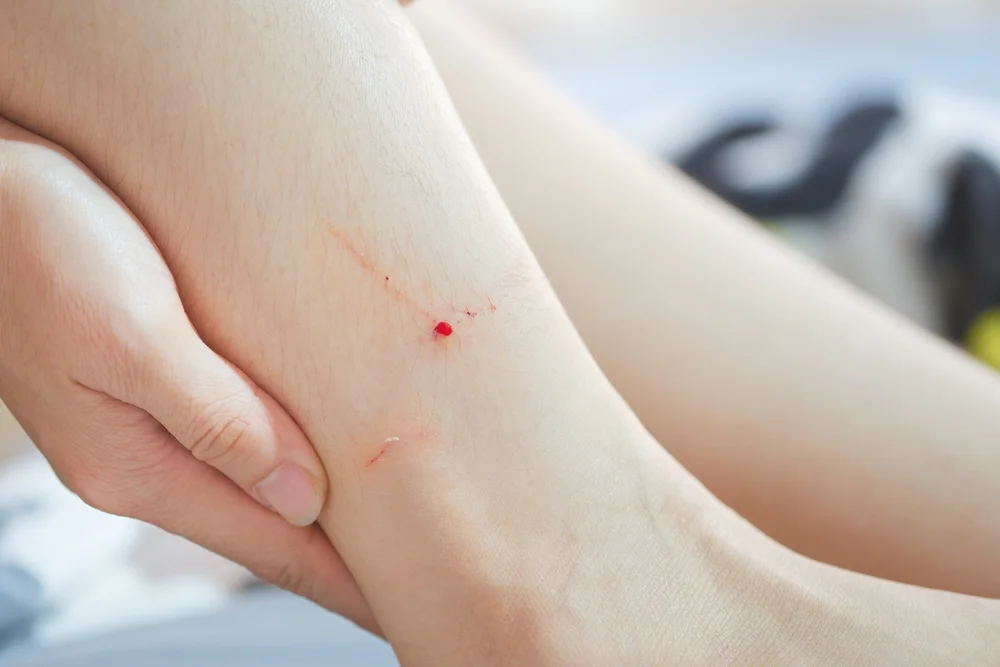
What Is Cat Scratch Fever (Cat Scratch Disease)?
Cat scratch fever, also known as cat scratch disease (CSD), is an infection most commonly caused by the bacterium Bartonella henselae and typically occurs after a cat scratch or bite. It is seen most often in children and young adults. In many cases, the illness is self-limited, but it commonly presents with noticeable lymph node swelling, fever, and fatigue. Cats frequently carry the bacterium without symptoms, and kittens are more likely to be carriers. The infection may start with a small bump or lesion at the site and progress over days to weeks to enlargement of nearby lymph nodes. In immunocompetent people, supportive care is often sufficient; in immunocompromised individuals, closer monitoring and clinician-guided treatment may be necessary.
How Does Cat Scratch Disease Spread? Transmission Routes
Cat scratch disease is most commonly transmitted through a scratch or bite from an infected cat. The bacterium may be present on the cat’s claws, in its saliva, or on the skin surface. Transmission can also occur if a cat licks an open wound or broken skin. Cats typically acquire Bartonella henselae through flea exposure, so carriage rates may be higher in cats without proper flea control. The disease is not spread person-to-person; transmission largely depends on close cat contact combined with breaches in skin integrity. Prevention focuses on flea control in cats, reducing scratching/biting risk, supervising children during pet handling, and cleaning wounds properly after exposure.
Cat Scratch Fever Symptoms: Most Common Signs
The hallmark symptom of cat scratch disease is swollen lymph nodes near the site of a scratch or bite. This swelling is often unilateral and may occur in the armpit, neck, or groin. Lymph nodes can be tender, and the overlying skin may become warm or red. Some people also experience systemic symptoms such as fever, fatigue, headache, and reduced appetite. A small bump, papule, or scab may appear at the entry site and is often overlooked. Symptoms typically become noticeable 1–3 weeks after exposure. Most cases are mild, but immunocompromised individuals may develop more extensive disease, prolonged fever, or organ involvement. Symptom severity should always be interpreted in the context of risk profile.
Why Do Lymph Nodes Swell in Cat Scratch Disease and How Long Does It Last?
Lymph nodes act as immune system filters and response hubs. In Bartonella henselae infection, bacteria can travel from the entry site through lymphatic channels to nearby lymph nodes, triggering an inflammatory immune response. This response causes enlargement and sometimes tenderness. In most cases, swelling improves over a few weeks, but complete resolution may take 2–3 months in some individuals. Occasionally, the lymph node can form pus (suppuration), leading to increased pain and redness. Persistent, enlarging, or very painful lymph nodes warrant clinical evaluation to rule out alternative diagnoses and to manage complications appropriately.
Diagnosis of Cat Scratch Disease: Which Tests Are Used?
Diagnosis is often clinical, based on history and examination: recent cat scratch/bite exposure, a lesion at the entry site, and nearby lymph node enlargement are typical. When confirmation is needed, serologic tests for Bartonella antibodies or molecular methods such as PCR may provide supportive evidence. Ultrasound can help assess lymph node structure and detect suppuration (pus formation). If fever is prolonged, systemic symptoms are significant, or findings are atypical, labs such as a complete blood count and inflammatory markers (e.g., CRP) may be considered. In immunosuppressed patients, the differential diagnosis is broader and further workup may be required. The goal is to avoid unnecessary antibiotics while detecting potential complications early.
Treatment of Cat Scratch Disease: When Are Antibiotics Needed?
Many cases of cat scratch disease resolve on their own, and supportive care may be sufficient. Supportive management includes pain control, fever management, rest, and adequate hydration. However, antibiotics may be considered when there is significant fever, systemic symptoms, severe or enlarging lymph node swelling, signs of suppuration, or risk factors such as immunosuppression. The antibiotic choice and duration should be clinician-guided and tailored to the clinical picture. A key principle is not to prescribe antibiotics automatically for every case, as unnecessary antibiotic exposure carries side effects and contributes to resistance. Treatment decisions should be rationally based on severity, duration, complication risk, and overall health status.
Complications of Cat Scratch Disease: When Can It Become Serious?
Most cases are mild, but complications can occur. Lymph node suppuration (pus formation) is one of the most common complications and may increase pain, redness, and swelling. Less commonly, eye involvement (Parinaud oculoglandular syndrome), liver/spleen involvement, bone infection, or neurologic complications may develop. These are more likely in immunocompromised individuals or when diagnosis and follow-up are delayed.
Home Care and Wound Management: What to Do After a Cat Scratch
After a cat scratch or bite, the first step is washing the wound thoroughly with soap and running water. This reduces bacterial load and lowers infection risk. A suitable antiseptic may then be applied, and the area can be protected with a clean dressing. Deep bites or heavily bleeding wounds should be assessed earlier by a clinician. Tetanus vaccination status should also be reviewed. At home, monitor for fever, enlarging lymph nodes, increasing redness/swelling, or drainage—these warrant medical evaluation. Prevention is strengthened by flea control in cats, regular nail trimming, and supervised interaction between children and cats.
How Long Does Cat Scratch Disease Last? Recovery Timeline
Recovery time in cat scratch disease varies by individual and clinical severity. While the small entry-site lesion often resolves quickly, lymph node swelling may last for weeks and sometimes months. Systemic symptoms such as fever and fatigue typically improve within days to a few weeks. If suppuration develops, recovery may take longer and intervention may be needed. In immunocompromised individuals, disease can be more prolonged and complex. Clinically, the goal is gradual symptom improvement without new findings. If symptoms progressively worsen or if red-flag signs like weight loss or night sweats appear, further evaluation is needed to broaden the differential diagnosis. Patience matters, but prolonged symptoms should be monitored with a risk-based approach rather than ignored.
When to See a Doctor: Red Flags for Cat Scratch Disease
Cat scratch disease is often mild, but certain symptoms require medical evaluation. These include high fever lasting more than three days, rapidly enlarging lymph nodes, severe pain, marked redness and warmth over the node, pus drainage, shortness of breath, or swelling around the eye. Thresholds should be lower for immunocompromised individuals, pregnant people, and young children, where earlier assessment is recommended.
Visiting Researcher&Lecturer - University College London, Mechanical Engineering and Faculty of Medicine, UK
Visiting Lecturer - University of Aveiro, Faculty of Biomedical Engineering, Portugal
World Health Organization (WHO) – Authoritative guidance on infectious diseases and global health standards.
Centers for Disease Control and Prevention (CDC) – Clinical and public health information on zoonotic and bacterial infections.
National Institutes of Health (NIH) – Research-based resources on infectious diseases and immune response.
PubMed – Peer-reviewed biomedical studies and clinical research on cat scratch disease.
Cochrane Library – Systematic reviews evaluating diagnosis and treatment of infectious conditions.
American Academy of Pediatrics (AAP) – Pediatric guidance on zoonotic infections and child health.
UpToDate – Evidence-based clinical summaries used by healthcare professionals.
Mayo Clinic – Patient-oriented explanations of symptoms, diagnosis, and treatment.
Merck Manual – Medical reference covering bacterial infections and clinical management.
European Centre for Disease Prevention and Control (ECDC) – Surveillance and prevention resources for infectious diseases in Europe.